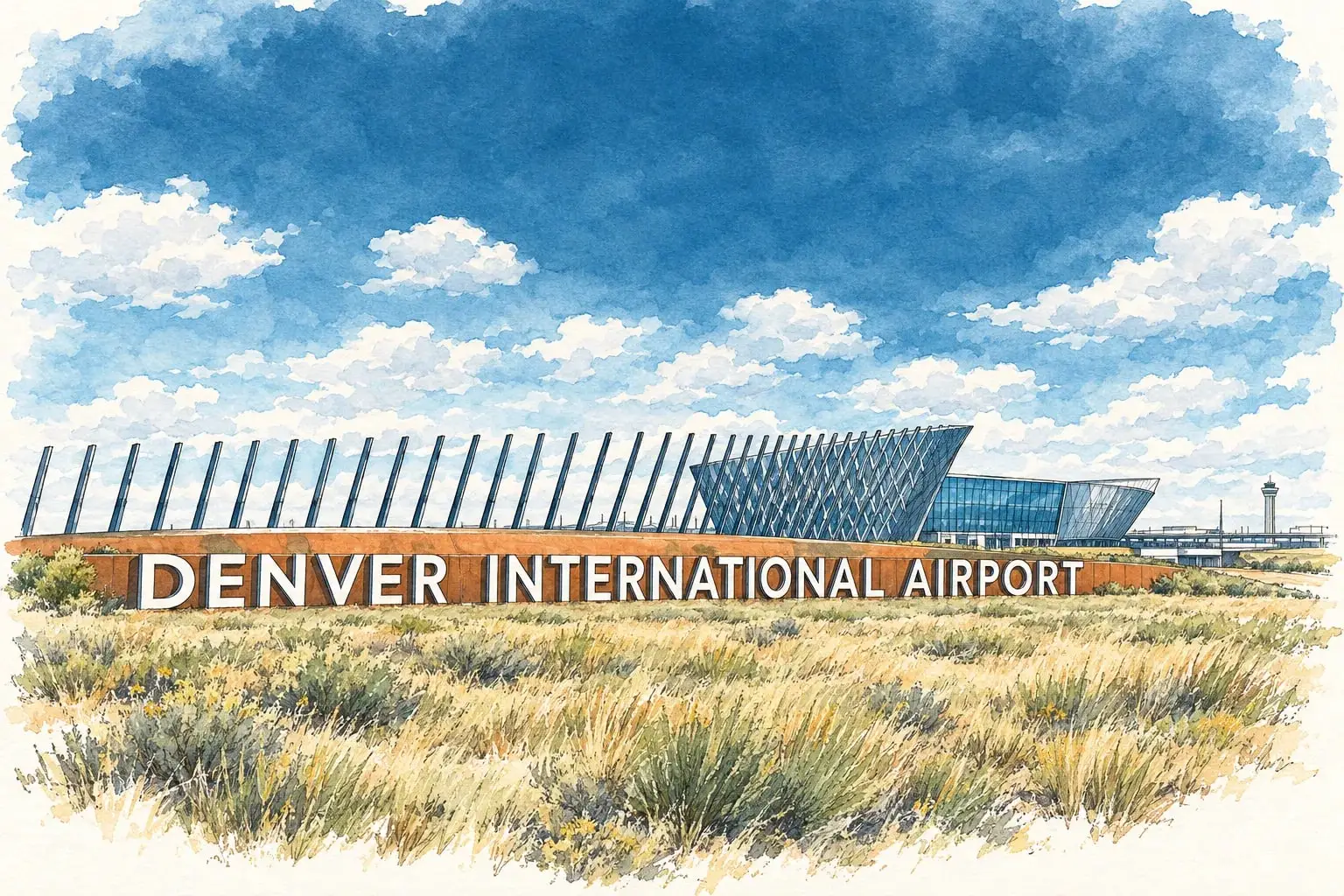
DIA and Peña Station
The airport's 53 square miles, and the new neighborhoods growing along Peña Boulevard and the A Line at its edge.
Pricing trends
New homes near the 61st and Peña station price near the Denver median, alongside Green Valley Ranch's newest sections, with townhomes and the first apartments-to-condominiums offering the entry points. The Denver table below carries the citywide numbers.
| Denver, August 2026 | Median price | Homes sold | Days on market | Active listings |
|---|---|---|---|---|
| Single Family | $635,000−5.6% vs August 2025 | 483 | 38average days | 1,874 |
| Townhome / condo | $360,000−10.0% vs August 2025 | 213 | 65average days | 2,002 |
Citywide figures for Denver. Source: Local Market Update, August 2026, REcolorado data compiled by the Colorado Association of REALTORS®. Neighborhood-level figures vary; ask me for comparables on any specific home. See all area tables.
About the DIA area
The DIA statistical neighborhood is the largest in Denver by far: the airport itself, its runways and the prairie the city annexed around it in 1989. Almost no one lives inside it, but its southwestern edge along Peña Boulevard and the 61st and Peña station is where Denver's newest housing is being built, in the Peña Station Next and High Point developments, and the airport's 35,000 jobs make it the anchor of the far northeast.
Location
The airport occupies the northeast corner of the city and county, north of 56th Avenue and east of Tower Road, with Green Valley Ranch and Montbello to the southwest, Commerce City's northern range to the west and Aurora to the south. Peña Boulevard and E-470 are the roads; the A Line runs from Union Station to the terminal in 37 minutes, with the 61st and Peña station serving the new neighborhoods.
History and background
The land that became Denver International Airport was dryland wheat farms and ranches in Adams County until 1988, when Adams County voters approved its annexation by Denver so the city could replace Stapleton, the airport that had served it since 1929 and had run out of room. The 53-square-mile annexation made Denver one of the largest cities by area in the country.
The airport opened in February 1995, sixteen months late and well over budget, with the peaked white tent roof of its Jeppesen Terminal meant to echo the Rockies. Its automated baggage system became a famous failure, but the airport itself grew into one of the busiest in the world, passing 80 million passengers a year by the 2020s.
The A Line commuter rail opened in 2016 and gave the airport's southwestern edge a station at 61st and Peña, where the city, the airport and Panasonic began planning a transit neighborhood. Peña Station Next and the High Point community are the first homes on land that was pasture thirty years ago.
Housing and architecture
Housing inside the DIA boundary is limited to the developments at its southwest corner: Peña Station Next, a planned transit neighborhood of apartments, townhomes and single-family homes around the station, and the High Point community straddling the Aurora line with 2010s and current production homes. Everything is new, most of it belongs to metro districts and HOAs, and construction continues through the late 2020s.
Parks and recreation
The Rocky Mountain Arsenal National Wildlife Refuge, with its bison, trails and visitor center, lies just west of the airport, and First Creek's trail connects the station area to Green Valley Ranch. The Gaylord Rockies resort's water park and the Green Valley Ranch Golf Club are nearby, and Barr Lake State Park is a short drive north.
Dining, shopping and daily life
The airport's terminal, hotels and the Gaylord Rockies resort carry the area's restaurants and services, and the Tower Road and Green Valley Ranch Town Center corridors have the grocery stores and chain retail. Peña Station Next is adding its own shops and a Panasonic-anchored office campus. The Denver Public Schools' far northeast schools serve the new homes.
Nearby
Other nearby communities
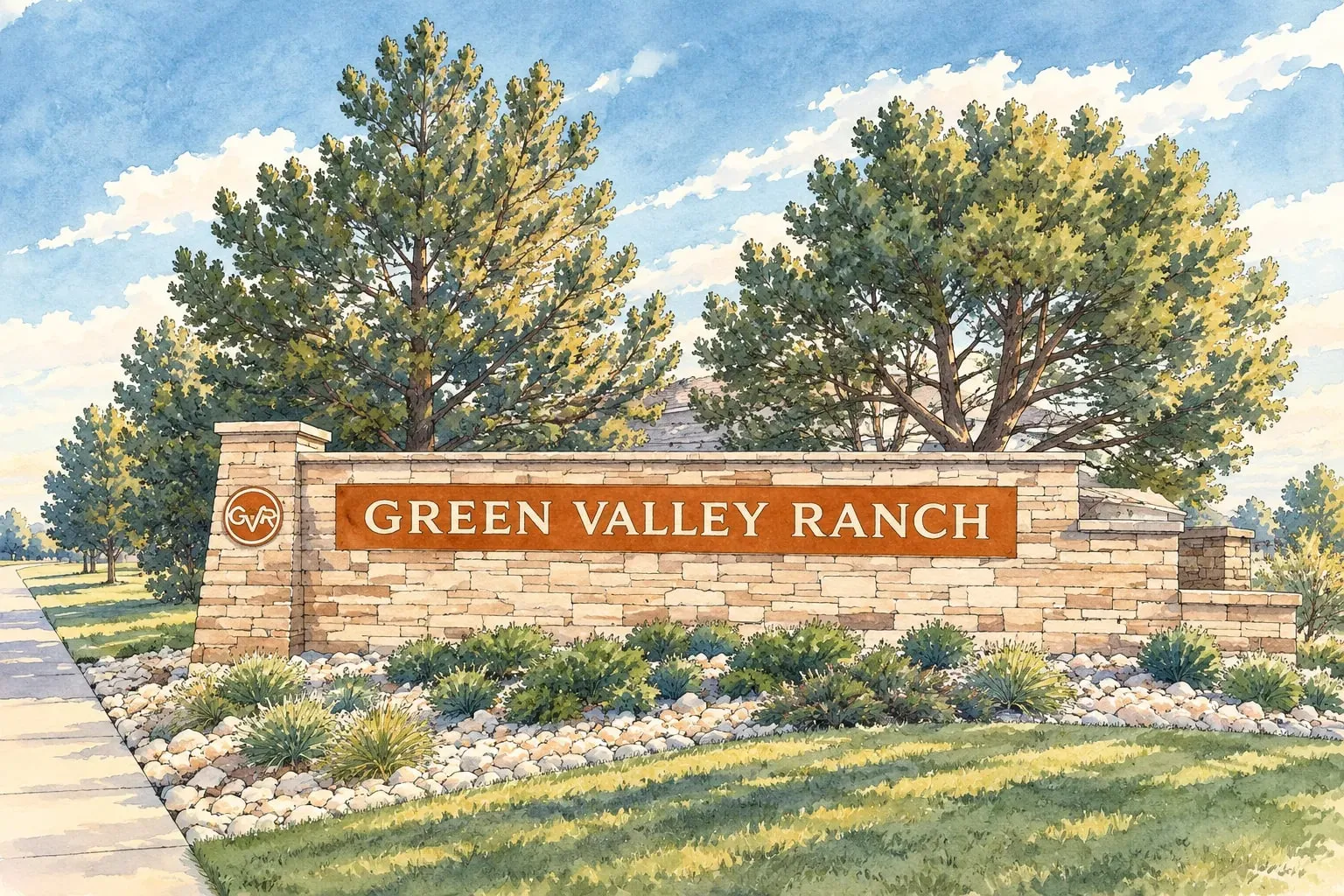 Northeast Denver Montbello and Green Valley Ranch Denver's far northeast: 1970s ranches in Montbello, 1990s to new homes in Green Valley Ranch, and the airport next door.
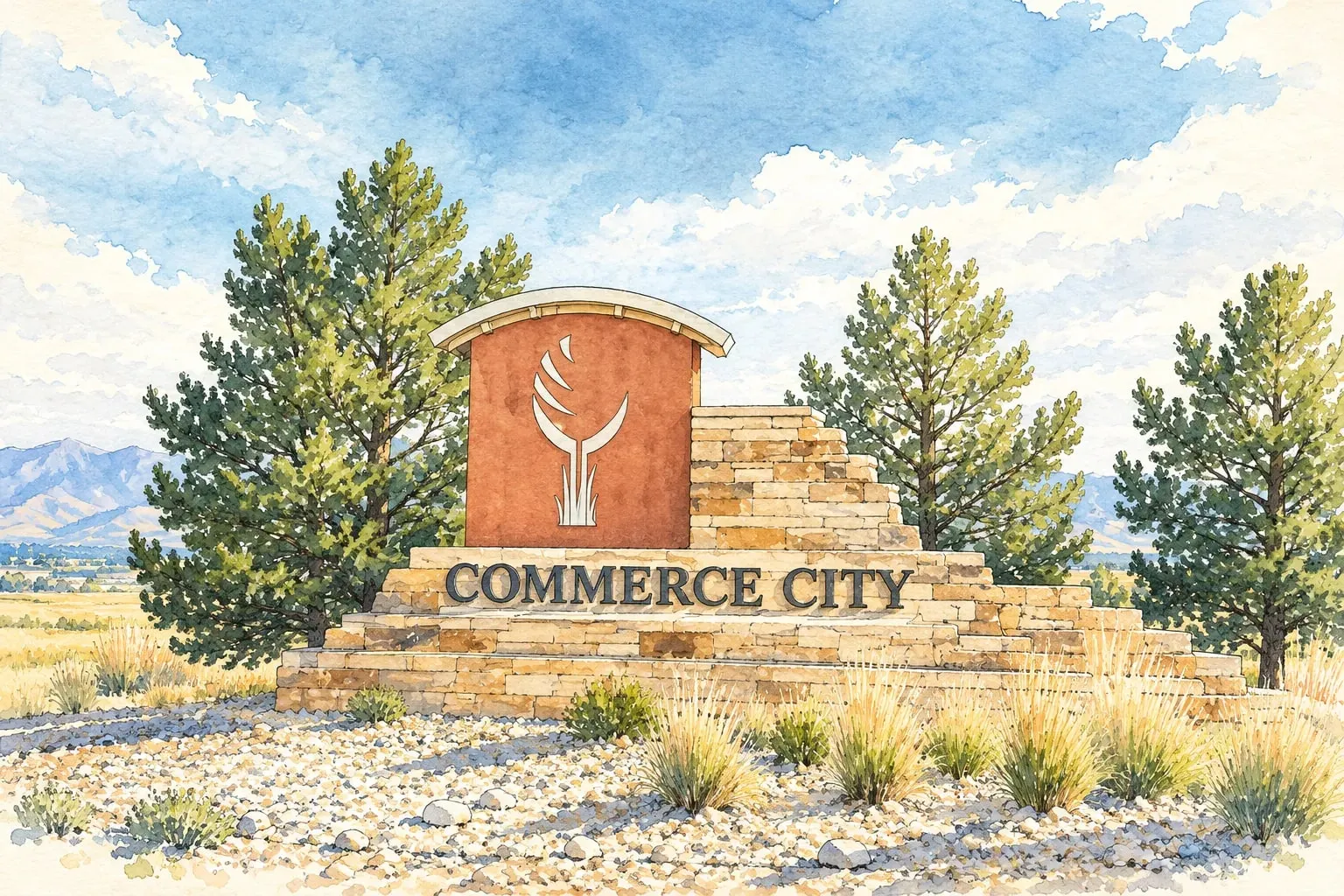 Northeast Metro Commerce City and Reunion The old industrial city by the refinery and the new neighborhoods of Reunion and Buffalo Run beyond the Arsenal.
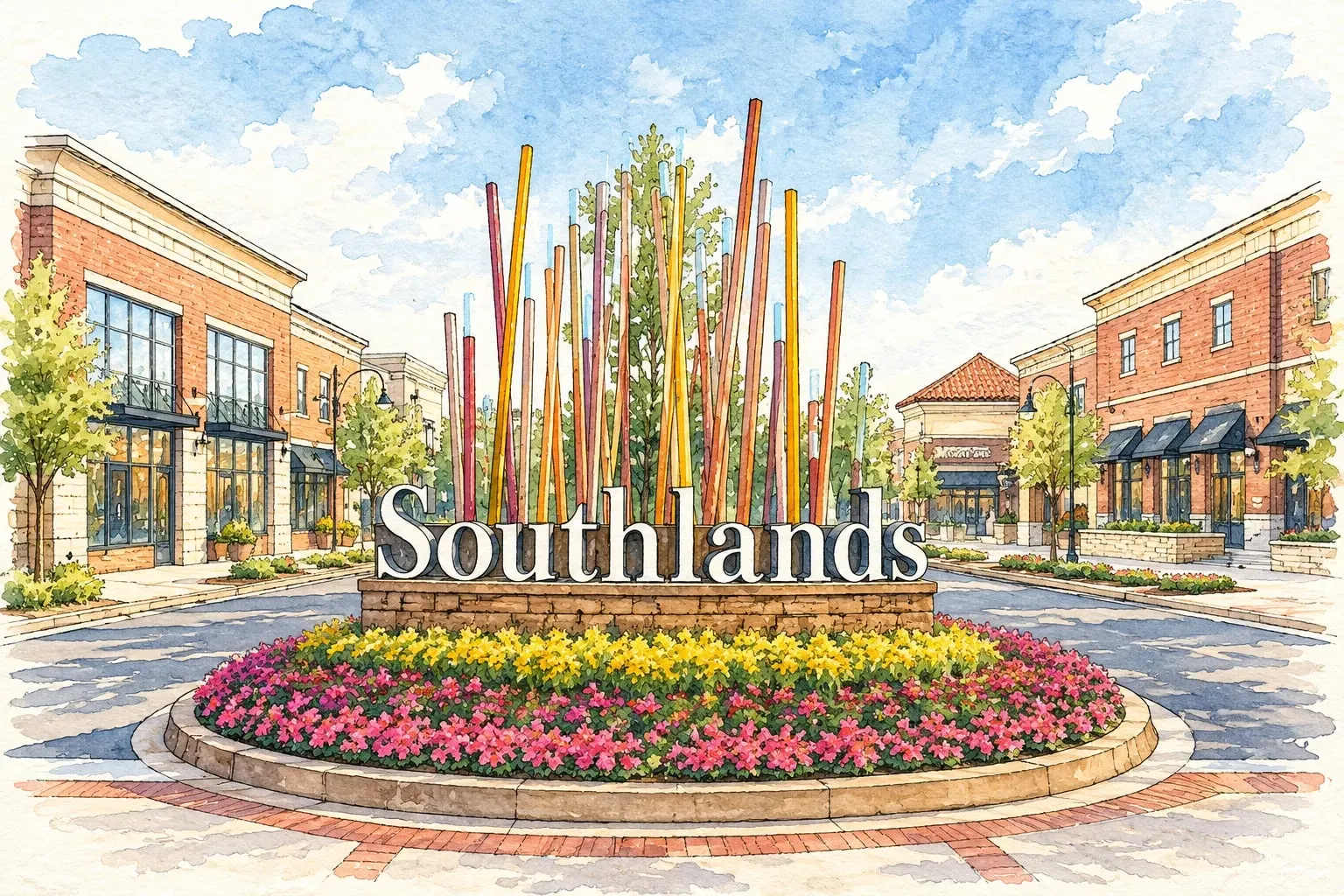 East Metro Southeast Aurora Southlands, the Cherry Creek schools and the newest neighborhoods on the metro's eastern prairie.
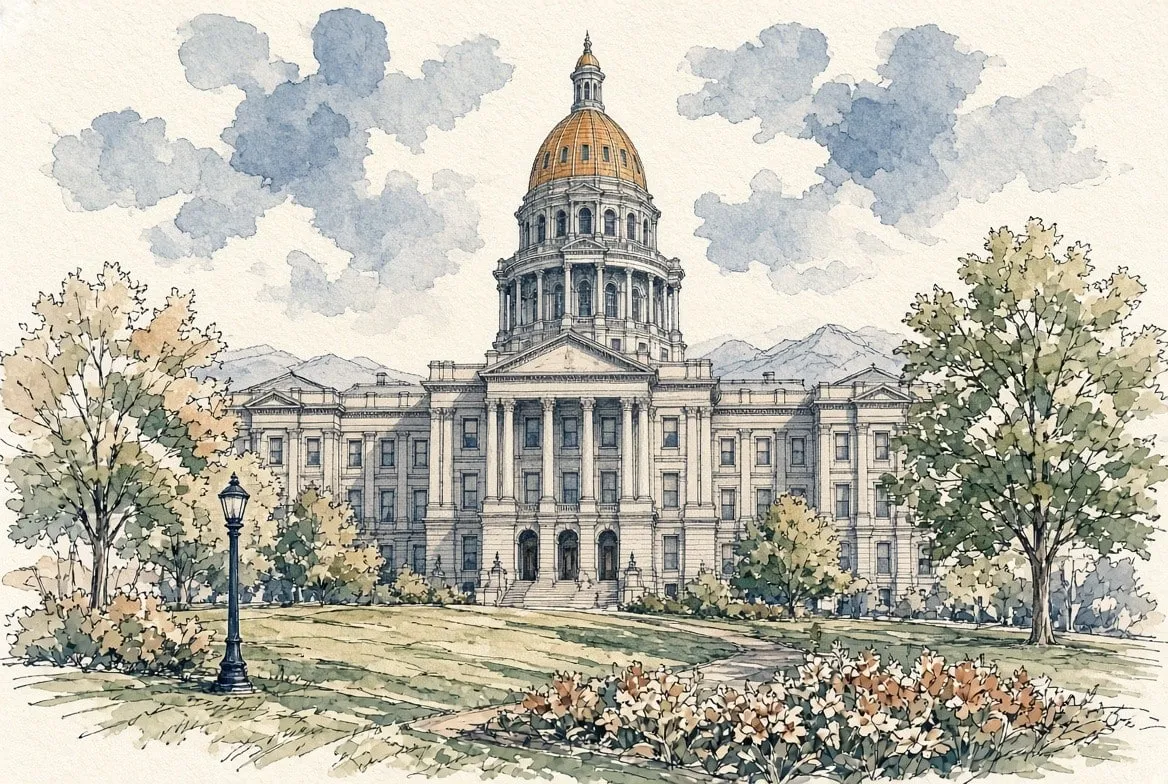 Northeast Denver Capitol Hill and Cheesman Park Denver's densest, oldest and most walkable neighborhood, with mansions, condos and a marble pavilion in the park.
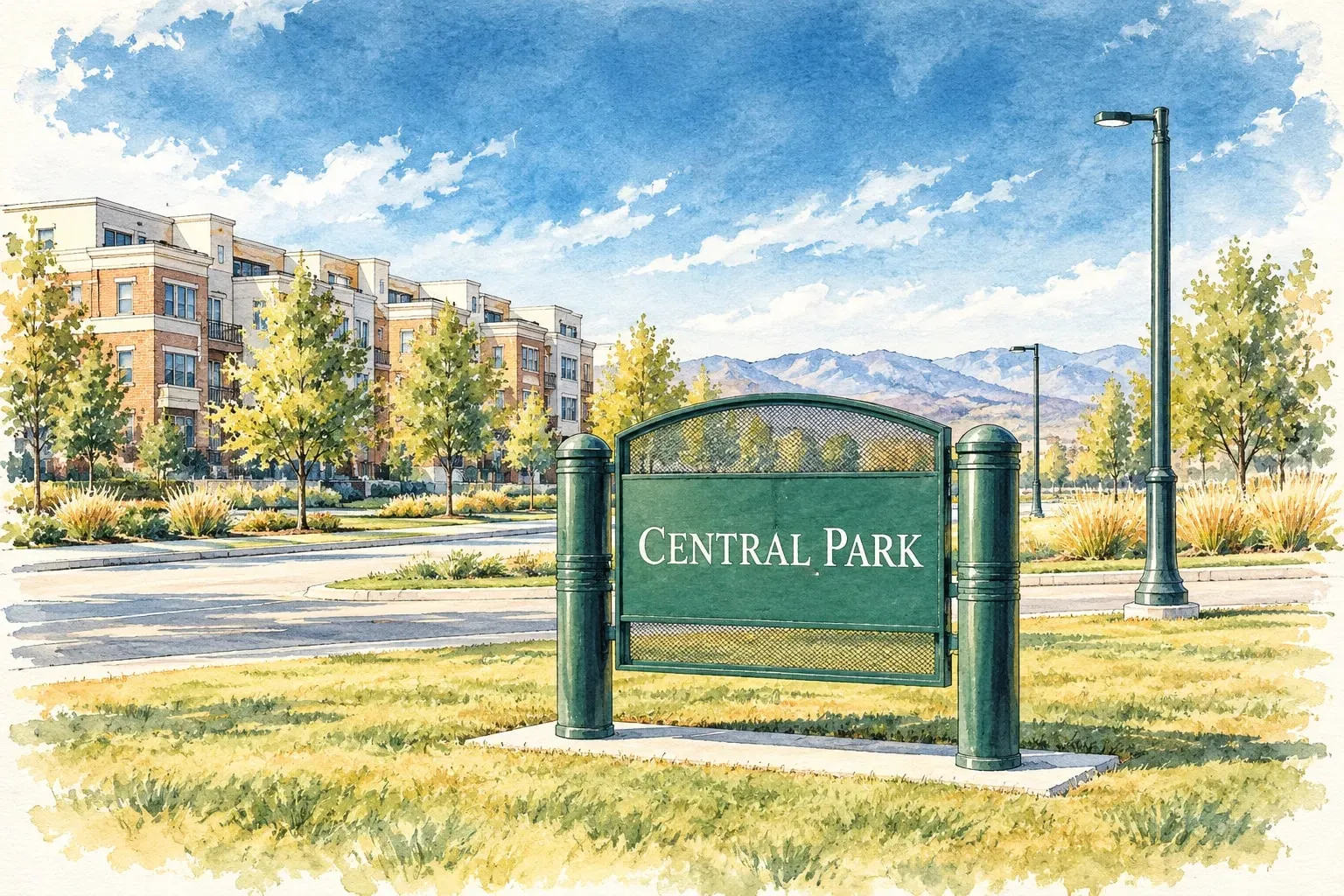 Northeast Denver Central Park The old airport, rebuilt since 2002 as Denver's largest new-urbanist neighborhood.
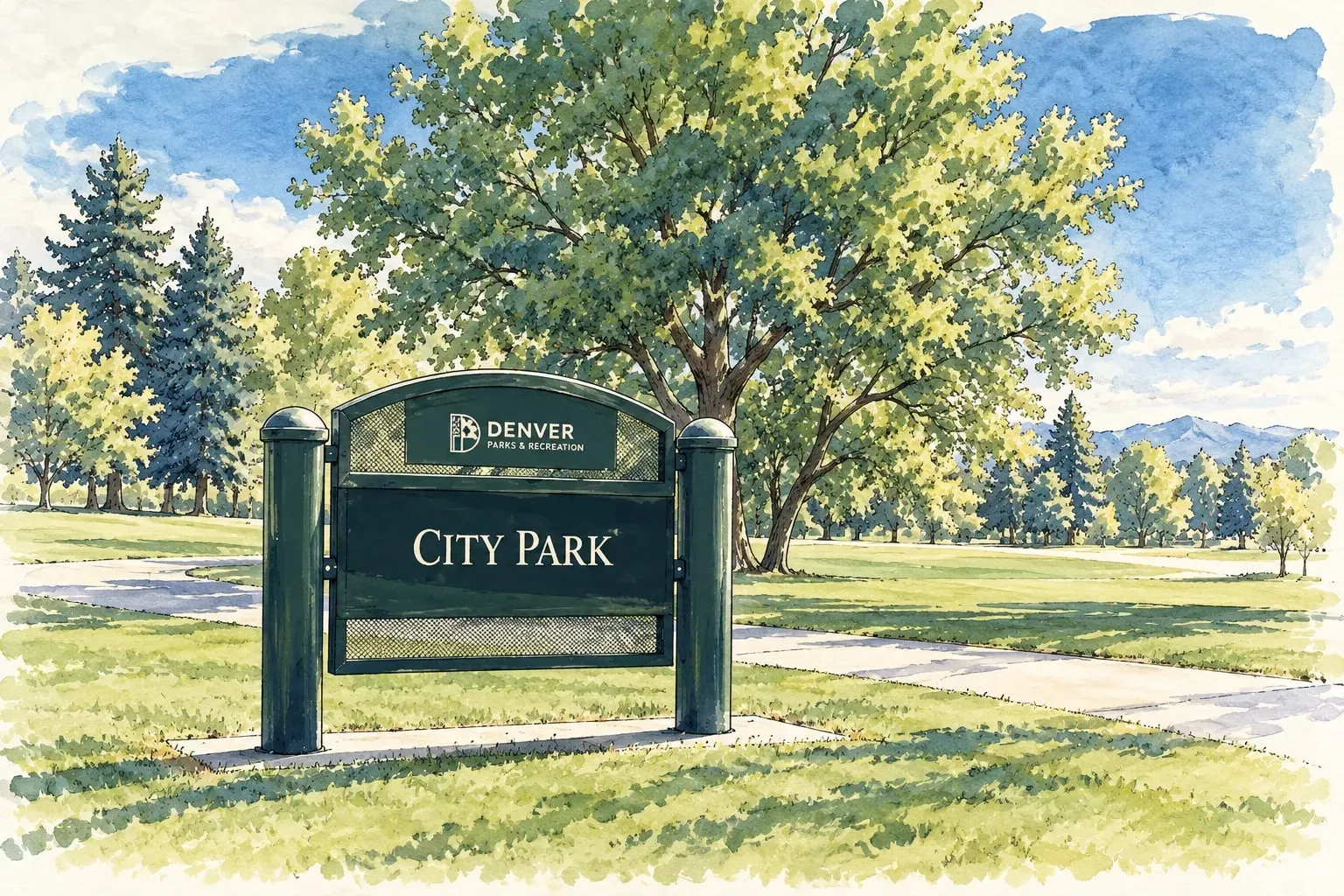 Northeast Denver City Park Denver's largest park and the blocks of grand houses along its 17th Avenue parkway edge.
Let’s talk about the DIA area
Tell me what you are looking for in the DIA area
Share your timing and what matters most, and I will come back with homes, comparables and an honest read on the market.
Geoffry Kaatz
Real Estate Consultant and Licensed Realtor


303-517-9671
geoffry.kaatz@compass.com
200 Columbine St, Suite 500
Denver, CO 80206