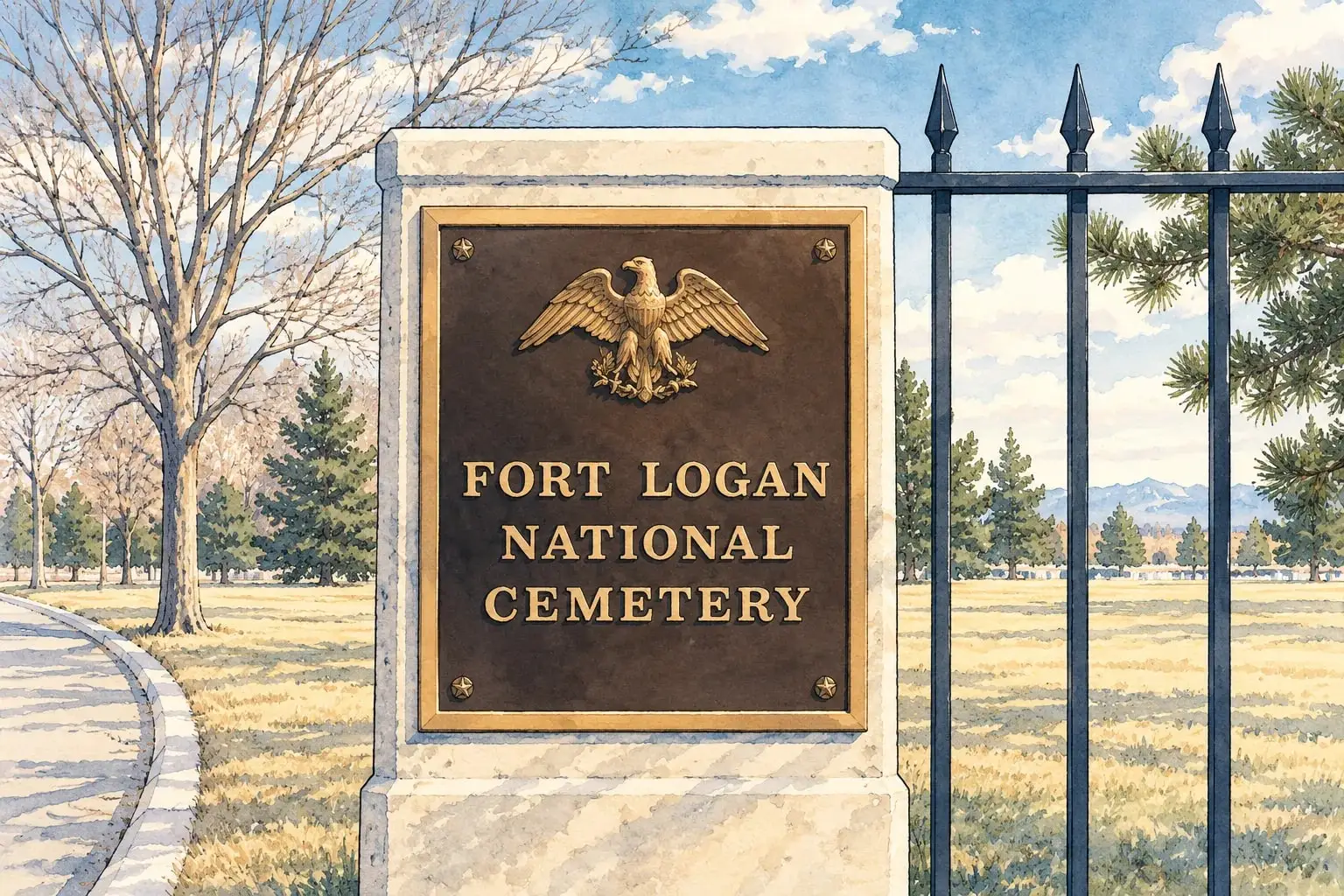
Fort Logan
The old Army post, the national cemetery, and the 1960s and 1970s neighborhoods built around them.
Pricing trends
Fort Logan prices below the Denver median for detached homes, alongside Marston and Harvey Park South, with renovated ranches on the quiet streets near the cemetery at the top and the townhome communities along Federal offering the entry points. The Denver table below carries the citywide numbers.
| Denver, August 2026 | Median price | Homes sold | Days on market | Active listings |
|---|---|---|---|---|
| Single Family | $635,000−5.6% vs August 2025 | 483 | 38average days | 1,874 |
| Townhome / condo | $360,000−10.0% vs August 2025 | 213 | 65average days | 2,002 |
Citywide figures for Denver. Source: Local Market Update, August 2026, REcolorado data compiled by the Colorado Association of REALTORS®. Neighborhood-level figures vary; ask me for comparables on any specific home. See all area tables.
About Fort Logan
Fort Logan is the southwest Denver neighborhood named for the Army post that occupied it from 1887 to 1946. Fort Logan National Cemetery and the state's mental health institute still hold the center of the old post, and the neighborhoods around them, built in the 1960s and 1970s, are a mix of ranches, split-levels and townhome communities near Bear Creek, Sheridan and Englewood.
Location
Fort Logan runs from Bear Creek and Hampden Avenue south to the county line, between Federal Boulevard and the South Platte, with Marston to the west, Harvey Park South and Bear Valley to the north, Sheridan and Englewood across the river to the east and Littleton to the south. Federal and Sheridan boulevards and Hampden Avenue are the routes.
History and background
Fort Logan was established in 1887 on land southwest of Denver that the city's leaders bought and gave to the Army, which wanted a post near the railroads to replace the frontier forts of the Indian Wars. Named for General John A. Logan, it was a training and garrison post through the Spanish-American War, the First World War and the Second, when it processed hundreds of thousands of recruits.
The Army closed the post in 1946. Part of its land became the Fort Logan Mental Health Center, opened by the state in 1961, and the post cemetery, which dated to 1889, became Fort Logan National Cemetery in 1950. It now holds more than 100,000 veterans and family members and is one of the busiest national cemeteries in the West.
Denver annexed the surrounding land in the 1960s, and builders filled it with the ranches, split-levels and townhomes of that decade and the next. The restored Field Officer's Quarters, the post's 1889 commanding officer's house, is the last of the original fort buildings open to the public.
Housing and architecture
The housing is 1960s and 1970s brick ranches, split-levels and two-stories on quarter-acre lots, with townhome and condominium communities along Federal, Lowell and Hampden and a few newer townhomes near the river. The cemetery and the mental health campus take up about a third of the neighborhood's land, so homes sit on its northern and western edges.
Parks and recreation
Fort Logan National Cemetery's grounds are open to visitors, Bear Creek Park and the Bear Creek Trail run along the northern edge, and the Platte River Trail is reachable at the eastern boundary. Harvey Park's lake and recreation center and Marston Lake are each a short ride, and Chatfield State Park is minutes south.
Dining, shopping and daily life
Federal Boulevard, Hampden Avenue and Sheridan Boulevard carry grocery stores, restaurants and services, with the River Point shopping center in Sheridan and Englewood's South Broadway close by. Southwest Plaza and Littleton's downtown are about fifteen minutes.
Nearby
Other nearby communities
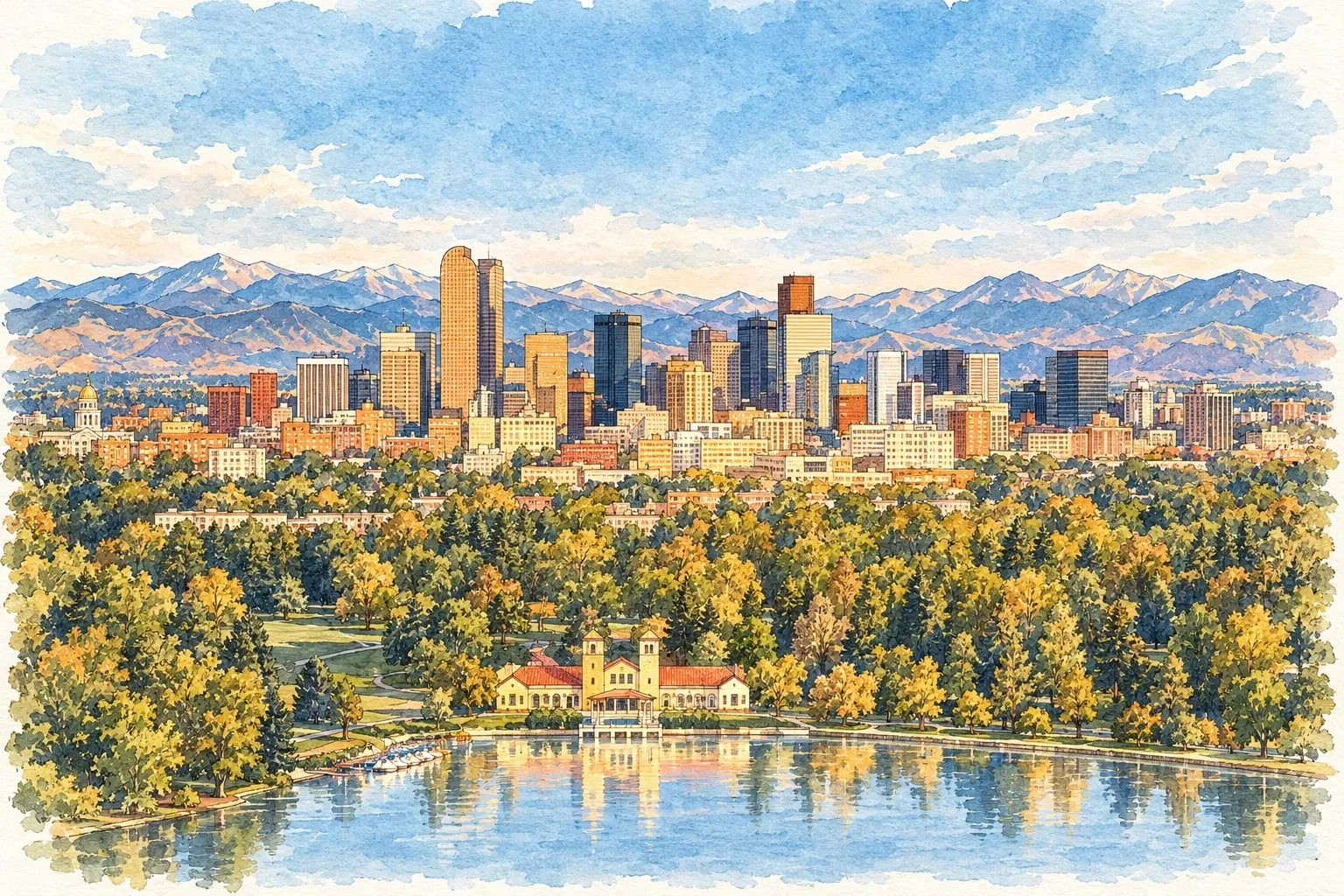 Southwest Denver Marston Denver's far southwest: 1970s and 1980s neighborhoods around Marston Lake with the foothills in view.
 Southwest Denver Harvey Park and Bear Valley Mid-century modern ranches, two lakes and Bear Creek's trail in Denver's far southwest.
 South Central Sheridan A small city along the river between Denver and Englewood, with the River Point shops and homes priced below both neighbors.
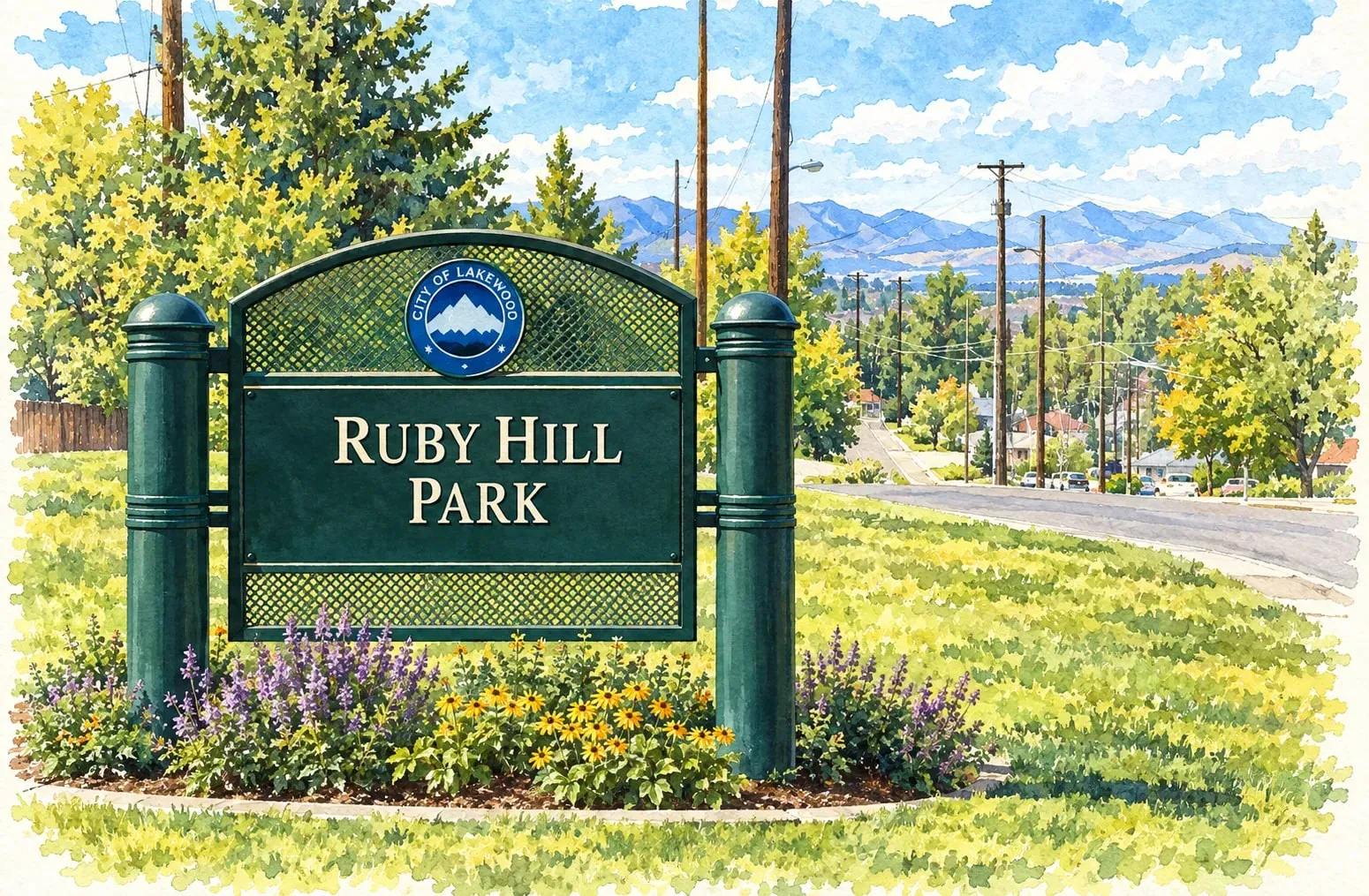 Southwest Denver Athmar Park and Ruby Hill Brick ranches along the river, the Ruby Hill sledding hill and bike park, and the Levitt Pavilion's free concerts.
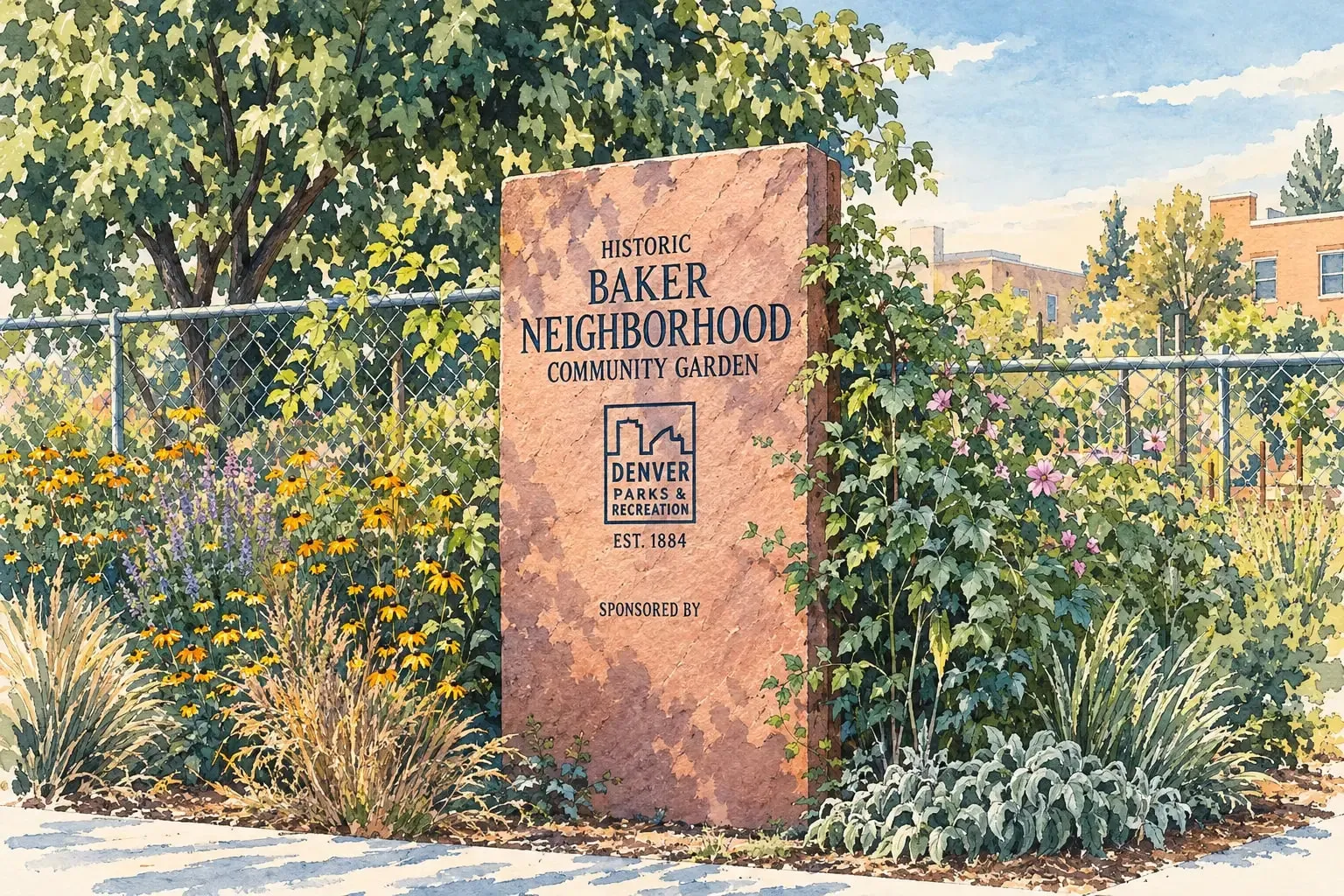 Southwest Denver Baker and the Santa Fe Arts District Denver's largest collection of middle-class Queen Annes, a mile from the Capitol, with South Broadway at the door.
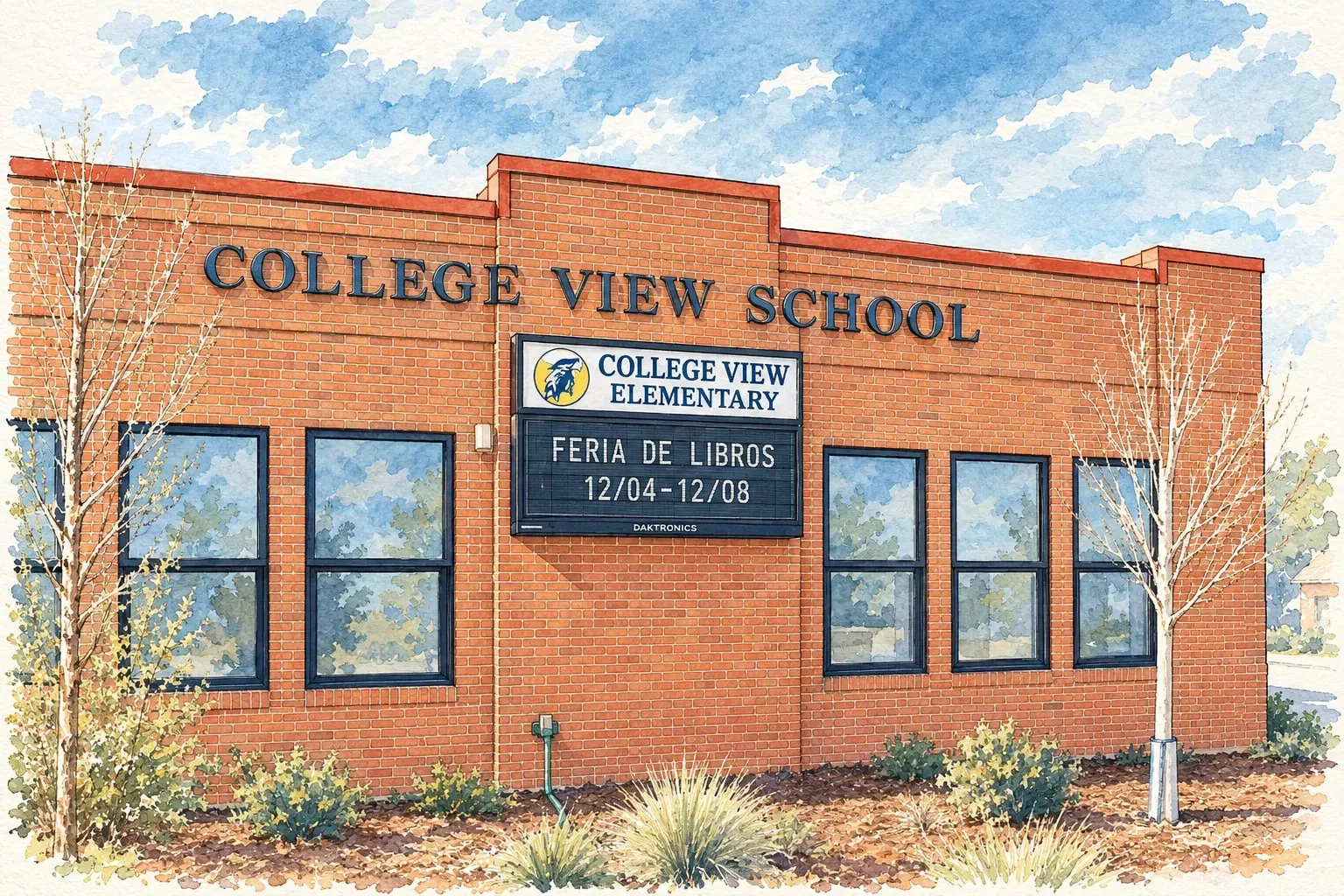 Southwest Denver College View and South Platte Small homes on large lots along the river's west bank, where Denver meets Englewood and Sheridan.
Let’s talk about Fort Logan
Tell me what you are looking for in Fort Logan
Share your timing and what matters most, and I will come back with homes, comparables and an honest read on the market.
Geoffry Kaatz
Real Estate Consultant and Licensed Realtor


303-517-9671
geoffry.kaatz@compass.com
200 Columbine St, Suite 500
Denver, CO 80206