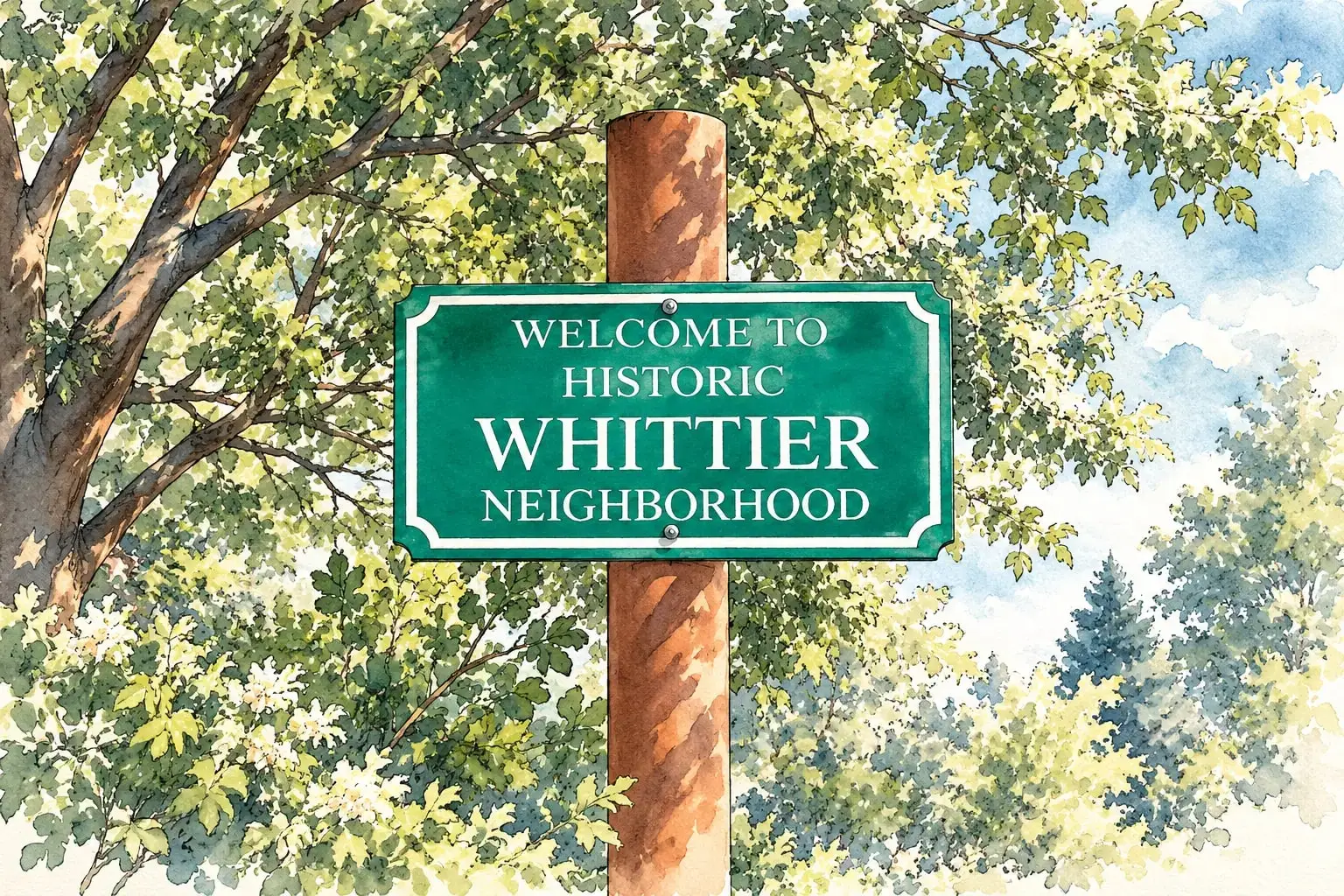
Whittier
Brick bungalows and Denver Squares on quiet streets between Five Points and City Park.
Pricing trends
Whittier prices a step below Curtis Park's restored Victorians and alongside Cole and Clayton, with renovated bungalows near the park at the top and original cottages among the more attainable detached homes near downtown. The Denver table below carries the citywide numbers.
| Denver, August 2026 | Median price | Homes sold | Days on market | Active listings |
|---|---|---|---|---|
| Single Family | $635,000−5.6% vs August 2025 | 483 | 38average days | 1,874 |
| Townhome / condo | $360,000−10.0% vs August 2025 | 213 | 65average days | 2,002 |
Citywide figures for Denver. Source: Local Market Update, August 2026, REcolorado data compiled by the Colorado Association of REALTORS®. Neighborhood-level figures vary; ask me for comparables on any specific home. See all area tables.
About Whittier
Whittier is the square of streets north of City Park and east of Five Points, a neighborhood of brick bungalows, Denver Squares and small Victorian cottages laid out in the 1880s and built through the 1920s. It shares Five Points' history as the center of Denver's Black community and has the same walk to City Park, RiNo and downtown, with quieter blocks and, for now, a slightly lower price.
Location
Whittier runs from Downing Street east to York Street and from 23rd Avenue north to Martin Luther King Jr. Boulevard, with City Park on its southern edge, Five Points and Curtis Park west, Cole and Clayton north and east, and Park Hill beyond York. Downtown is about a mile and a half southwest; the 30th and Downing station on the L Line is at the corner.
History and background
Whittier was platted in the 1880s as Denver grew northeast from Five Points along the streetcar lines, and it took its name from the Whittier School, opened in 1883 and named for the abolitionist poet John Greenleaf Whittier. The first houses were Queen Anne cottages and Denver Squares for the clerks, tradespeople and railroad workers of a growing city.
In the first half of the twentieth century Whittier became, with Five Points, the heart of Black Denver. Racial covenants and redlining confined Black families to these blocks, and in response the neighborhood built its own churches, businesses and institutions. The Whittier School was one of the city's first integrated schools after the covenants fell.
The neighborhood stayed affordable and largely overlooked by investment until the 2000s, when its location beside City Park and its stock of brick houses drew renovators. The L Line streetcar and RiNo's growth next door brought a second wave in the 2010s, and the neighborhood association has worked to keep the history visible as the blocks changed.
Housing and architecture
The streets hold 1890s to 1920s brick bungalows, Denver Squares and Queen Anne cottages on 25- to 37-foot lots with alleys, with a few 1940s houses and, since the 2010s, pop-tops, rear additions and new duplexes. Most homes have been renovated at least once; original, unrenovated houses still appear from long-term owners. Attached homes are concentrated along Downing and near the station.
Parks and recreation
City Park, with the zoo, the museum and the lakes, is across 23rd Avenue, and the Whittier playground and Fuller Park serve the blocks themselves. The RiNo murals and the Platte trail are a short ride west, and Bruce Randolph Avenue's bike lane leads east to Park Hill.
Dining, shopping and daily life
The Welton Street corridor in Five Points, with its restaurants, the jazz district and the Blair-Caldwell library, is a few blocks west, and the 17th Avenue restaurant row and Colfax are south past the park. Downing Street holds coffee and neighborhood services, and groceries are at the Safeway on 20th or the Natural Grocers on Colorado Boulevard.
Nearby
Other nearby communities
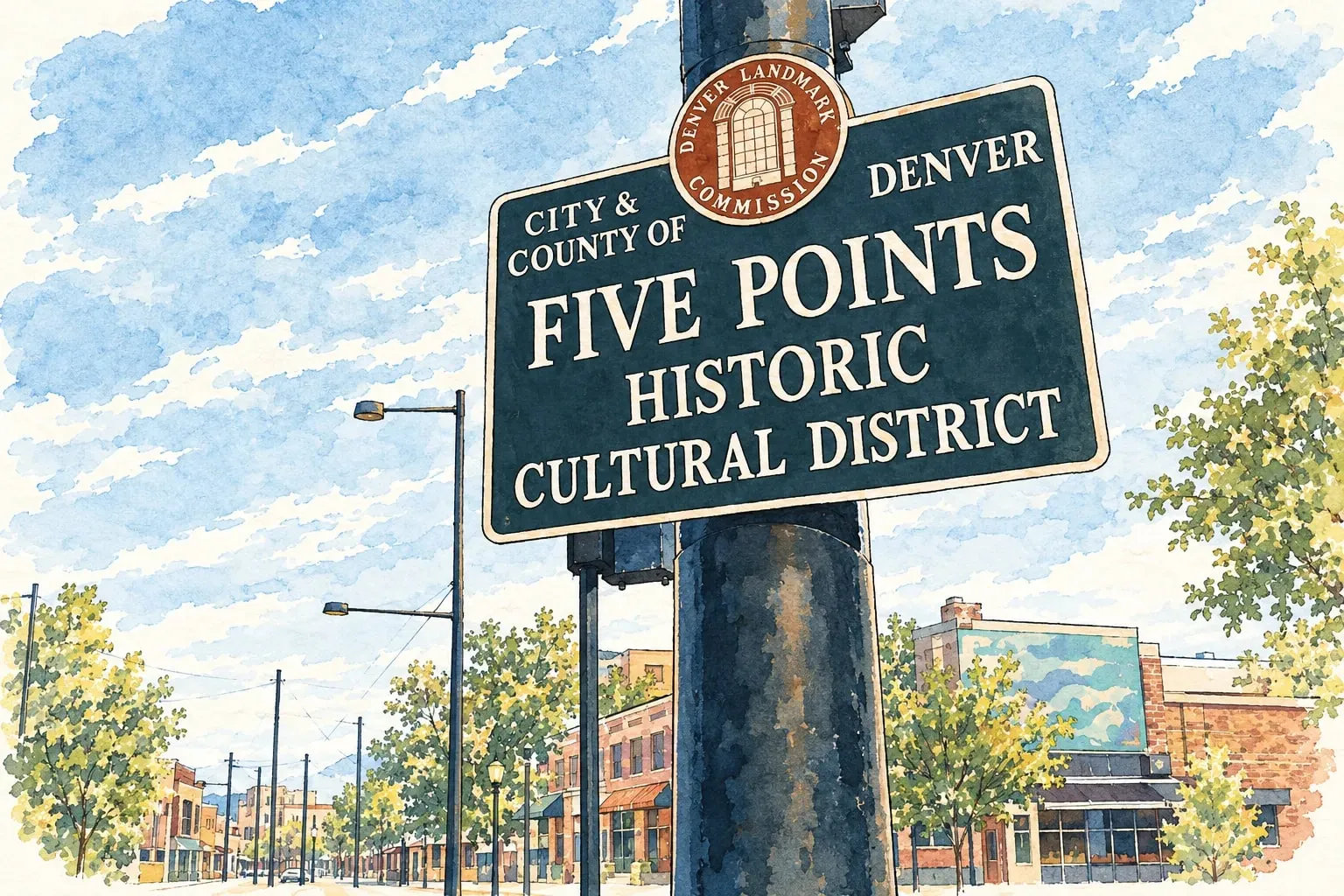 Northeast Denver Five Points and RiNo Denver's historic Black cultural district beside the warehouse blocks that became the River North Art District.
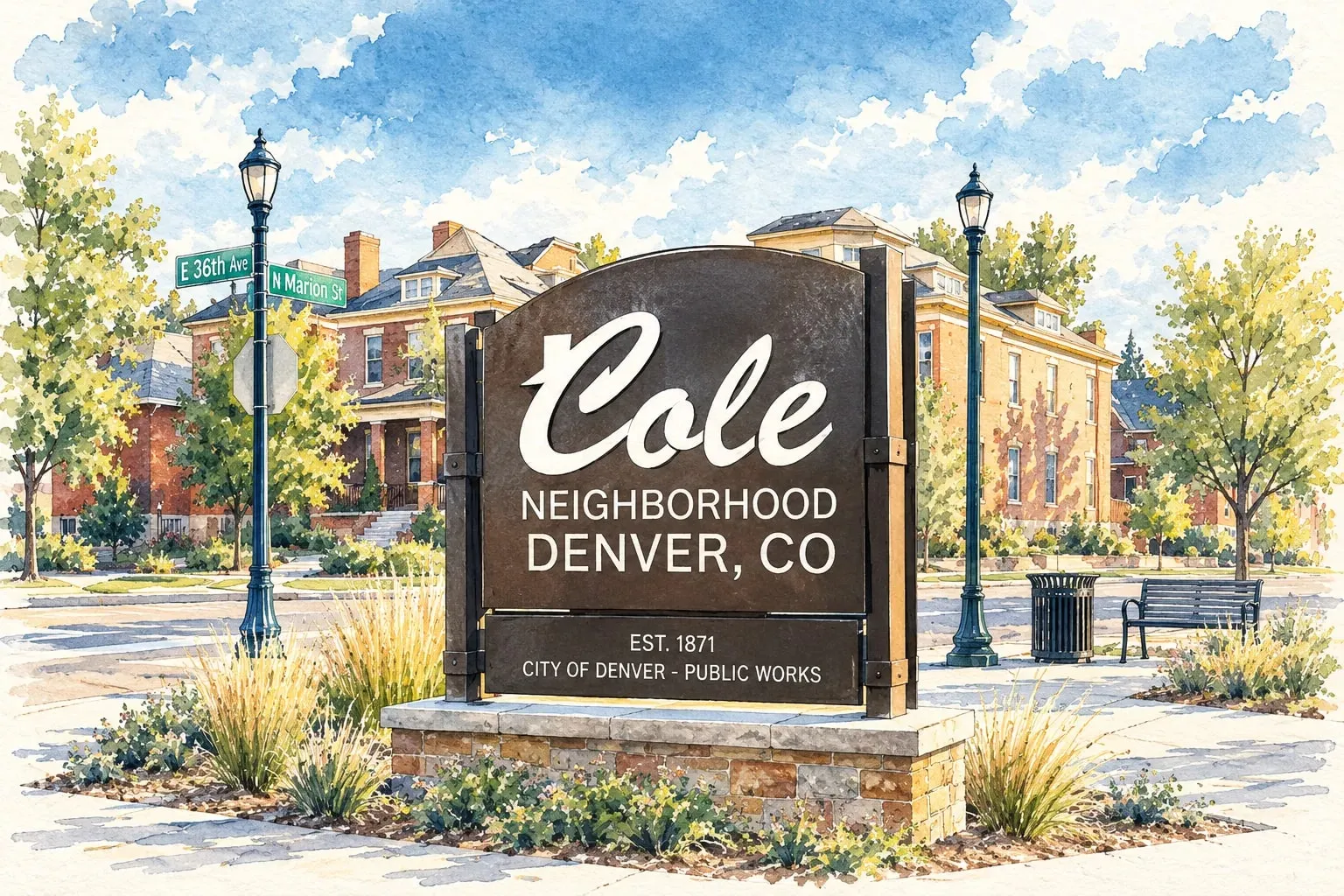 Northeast Denver Cole and Clayton Bungalow blocks north of City Park between RiNo and Park Hill, with the A Line and a fast-changing York Street.
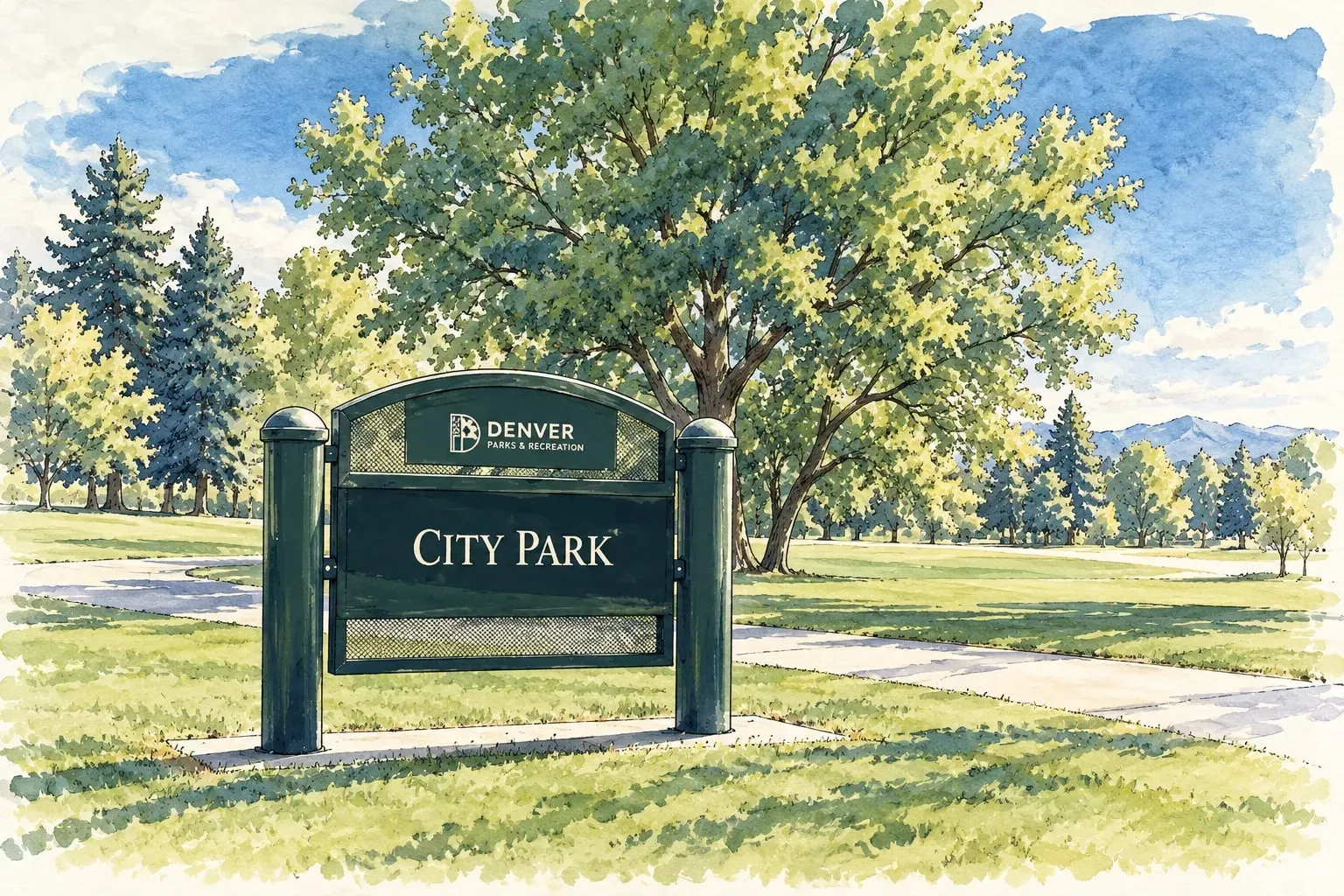 Northeast Denver City Park Denver's largest park and the blocks of grand houses along its 17th Avenue parkway edge.
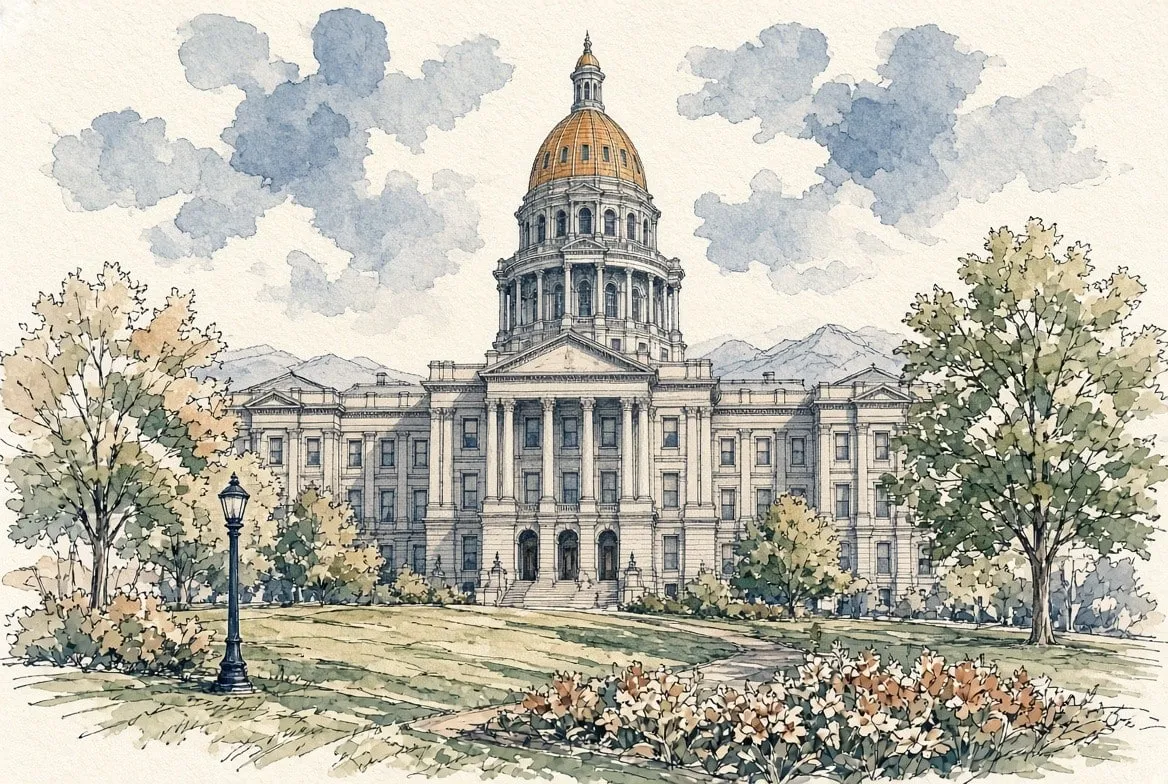 Northeast Denver Capitol Hill and Cheesman Park Denver's densest, oldest and most walkable neighborhood, with mansions, condos and a marble pavilion in the park.
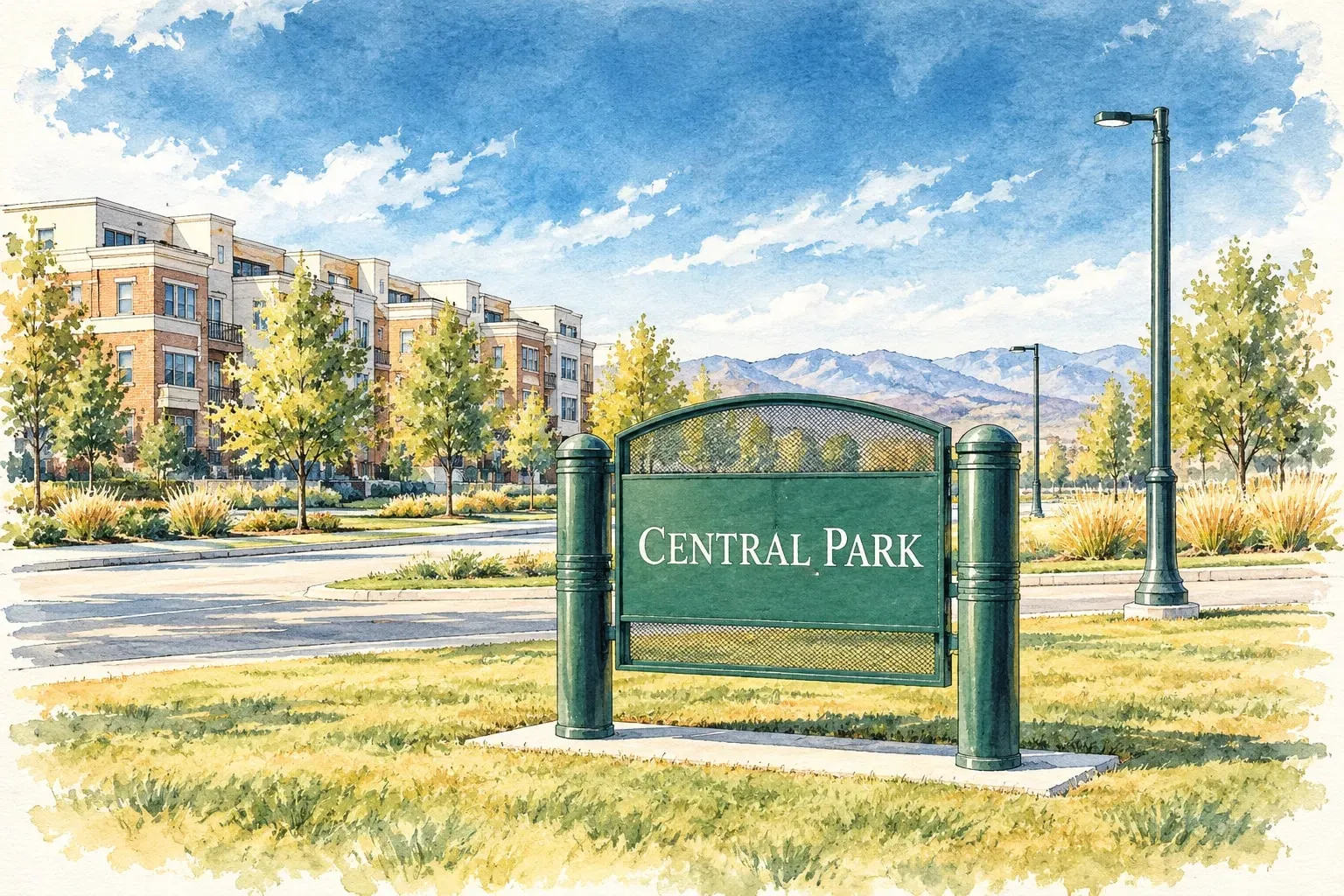 Northeast Denver Central Park The old airport, rebuilt since 2002 as Denver's largest new-urbanist neighborhood.
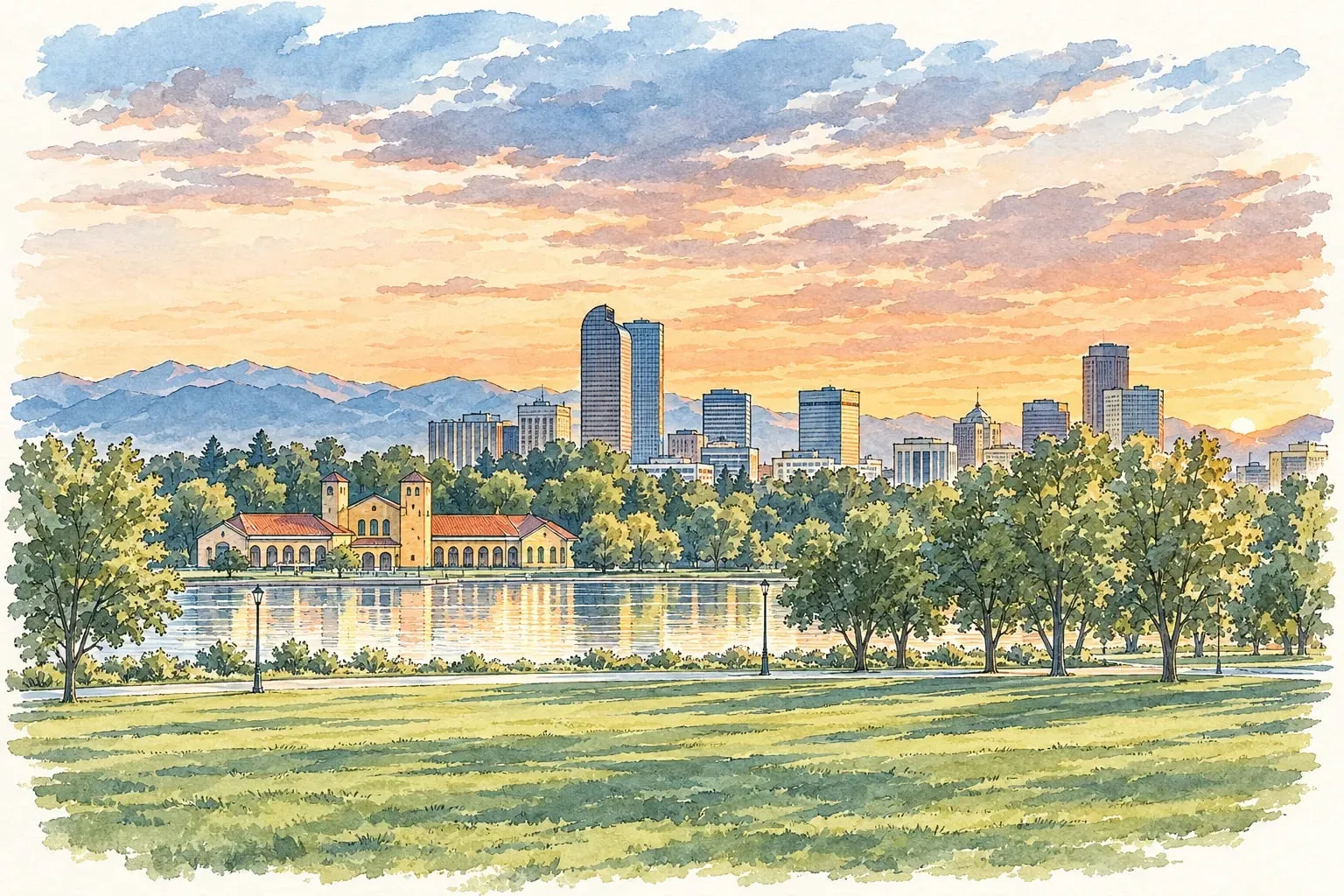 Northeast Denver City Park West and Uptown Restaurant Row on 17th Avenue, hospital campuses, and Victorian blocks between downtown and City Park.
Let’s talk about Whittier
Tell me what you are looking for in Whittier
Share your timing and what matters most, and I will come back with homes, comparables and an honest read on the market.
Geoffry Kaatz
Real Estate Consultant and Licensed Realtor


303-517-9671
geoffry.kaatz@compass.com
200 Columbine St, Suite 500
Denver, CO 80206