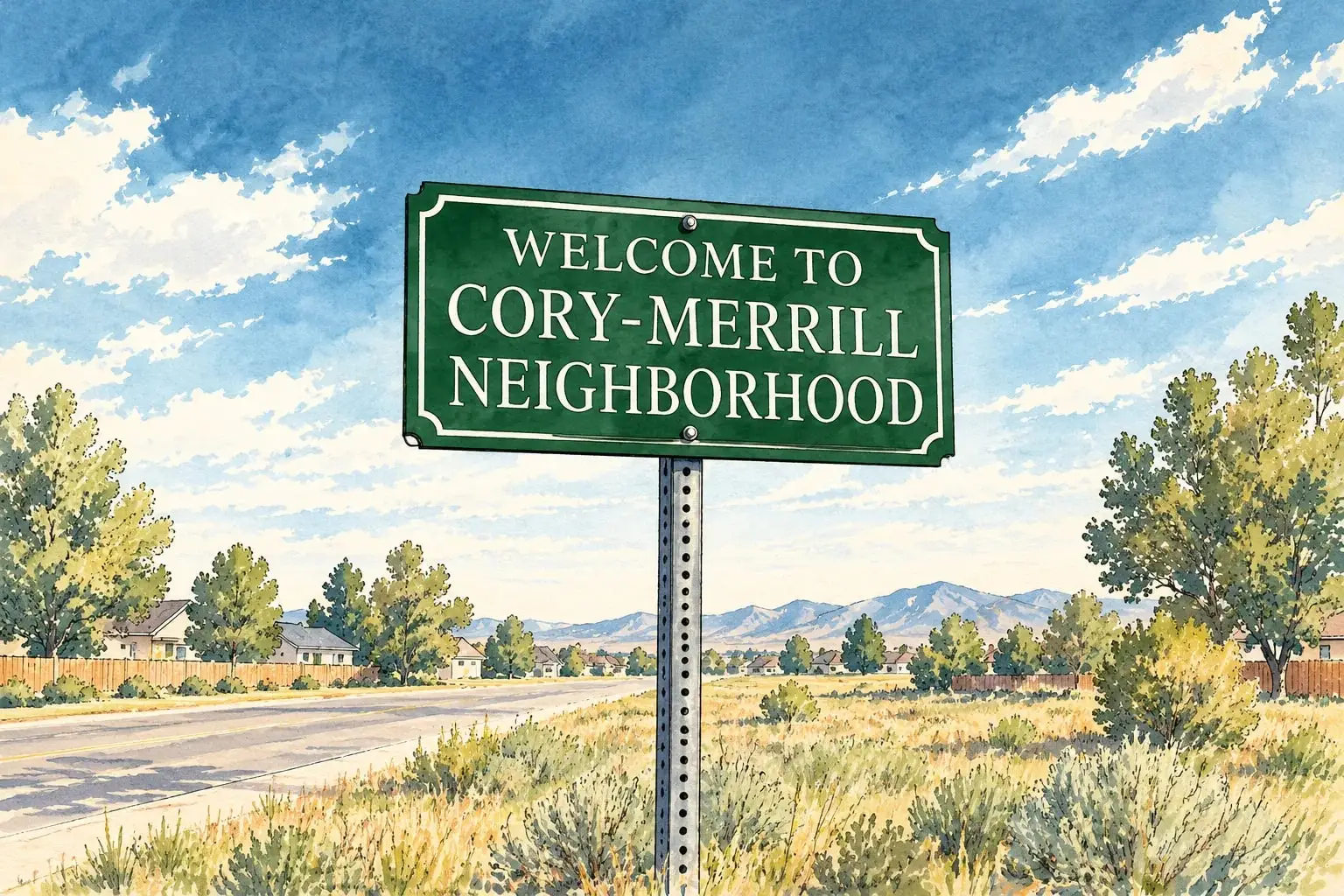
Cory-Merrill
A school-centered neighborhood of 1940s brick homes and new two-stories between Wash Park and Colorado Boulevard.
Pricing trends
Cory-Merrill prices just below Washington Park and Bonnie Brae, with new construction at the top of the south Denver market and the remaining original ranches selling largely on lot value to builders and renovators. The Denver table below carries the citywide numbers.
| Denver, August 2026 | Median price | Homes sold | Days on market | Active listings |
|---|---|---|---|---|
| Single Family | $635,000−5.6% vs August 2025 | 483 | 38average days | 1,874 |
| Townhome / condo | $360,000−10.0% vs August 2025 | 213 | 65average days | 2,002 |
Citywide figures for Denver. Source: Local Market Update, August 2026, REcolorado data compiled by the Colorado Association of REALTORS®. Neighborhood-level figures vary; ask me for comparables on any specific home. See all area tables.
About Cory-Merrill
Cory-Merrill takes its name from the elementary and middle schools at its center, and the schools remain the reason many families choose it. It sits east of Washington Park and south of Bonnie Brae, built mostly in the 1940s and 1950s, and in the last fifteen years it has become one of the city's busiest rebuild neighborhoods, with new two-story homes replacing the original ranches on nearly every block.
Location
The neighborhood runs from Mississippi Avenue south to Evans Avenue between University Boulevard and Colorado Boulevard, with Washington Park and Bonnie Brae to the west and north, University Park to the south, Virginia Village to the east and the Cherry Creek shopping district ten minutes north. The Colorado station on the E and H lines is at its southeast corner.
History and background
Cory-Merrill is named for the two Denver Public Schools at its center: Cory Elementary, which opened in 1951 and honors the former school superintendent John J. Cory, and Merrill Middle School, opened in 1953 and named for Louise Merrill, a longtime Denver educator. The schools were built as the neighborhood itself was being built.
The land between Washington Park and Colorado Boulevard was mostly farms and nurseries until the 1940s. The post-war housing demand filled it quickly with brick ranches, Cape Cods and bungalows, and the neighborhood was fully built out by the late 1950s as a modest, family-oriented extension of the Wash Park area.
Its schools, its quiet streets and its distance from the city's main roads kept Cory-Merrill a steady family neighborhood for decades. After 2005 the same qualities drew builders, and the neighborhood has seen more scrape-and-rebuild construction than almost any other in south Denver.
Housing and architecture
The original stock is 1940s and 1950s brick ranches, Cape Cods and bungalows on 50- to 62-foot lots. New two-story homes of 3,000 to 4,500 square feet now make up a large share of the blocks, and some streets have more rebuilds than originals. Attached homes are few, mostly along the Colorado Boulevard and Evans edges.
Parks and recreation
Cory-Merrill's schools' fields, McWilliams Park, Washington Park's lakes and loop a few blocks west and the Cherry Creek Trail at the Colorado Boulevard edge serve the neighborhood. Observatory Park and the University of Denver's campus are south.
Dining, shopping and daily life
The Bonnie Brae strip on University Boulevard, with its ice cream shop and tavern, and the Old South Gaylord and South Pearl Street blocks are the nearest restaurant rows, with Colorado Boulevard carrying grocery stores and services. Cherry Creek North is a short drive.
Nearby
Other nearby communities
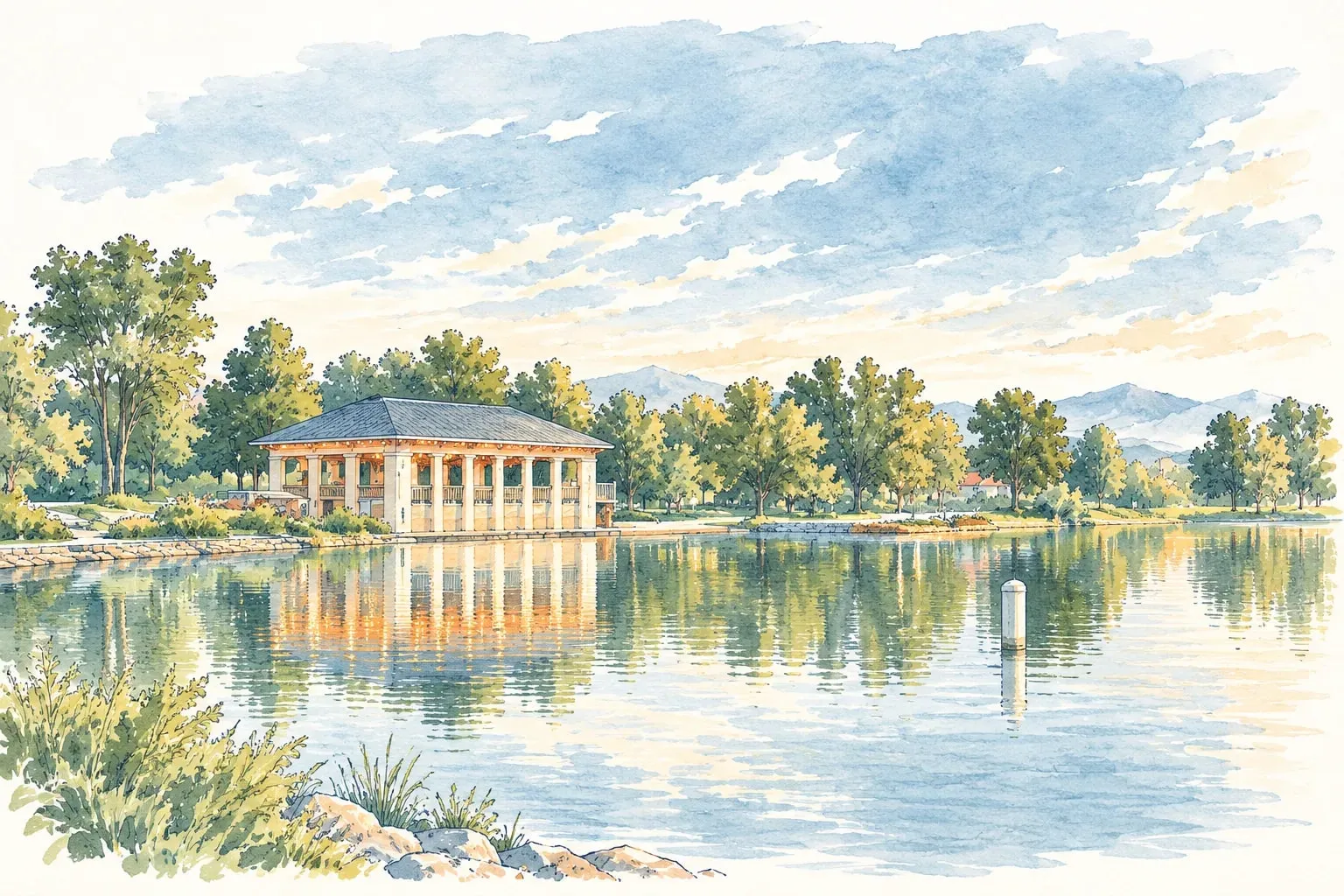 Southeast Denver Washington Park Two lakes, the biggest meadow in the city, and blocks of brick that have held their value for a century.
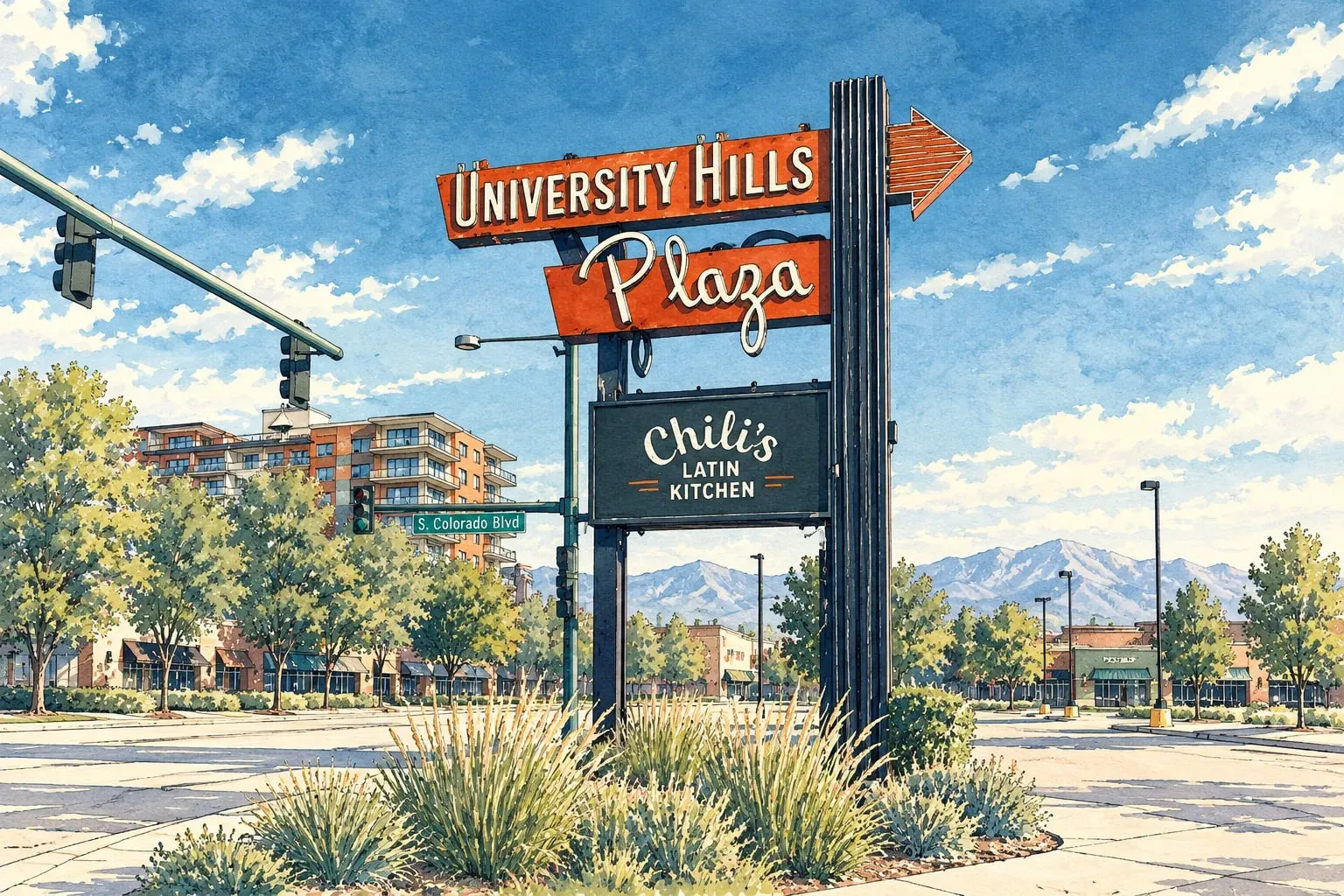 Southeast Denver University Park and Observatory Park The University of Denver campus, the Chamberlin Observatory, and large new homes on quiet streets.
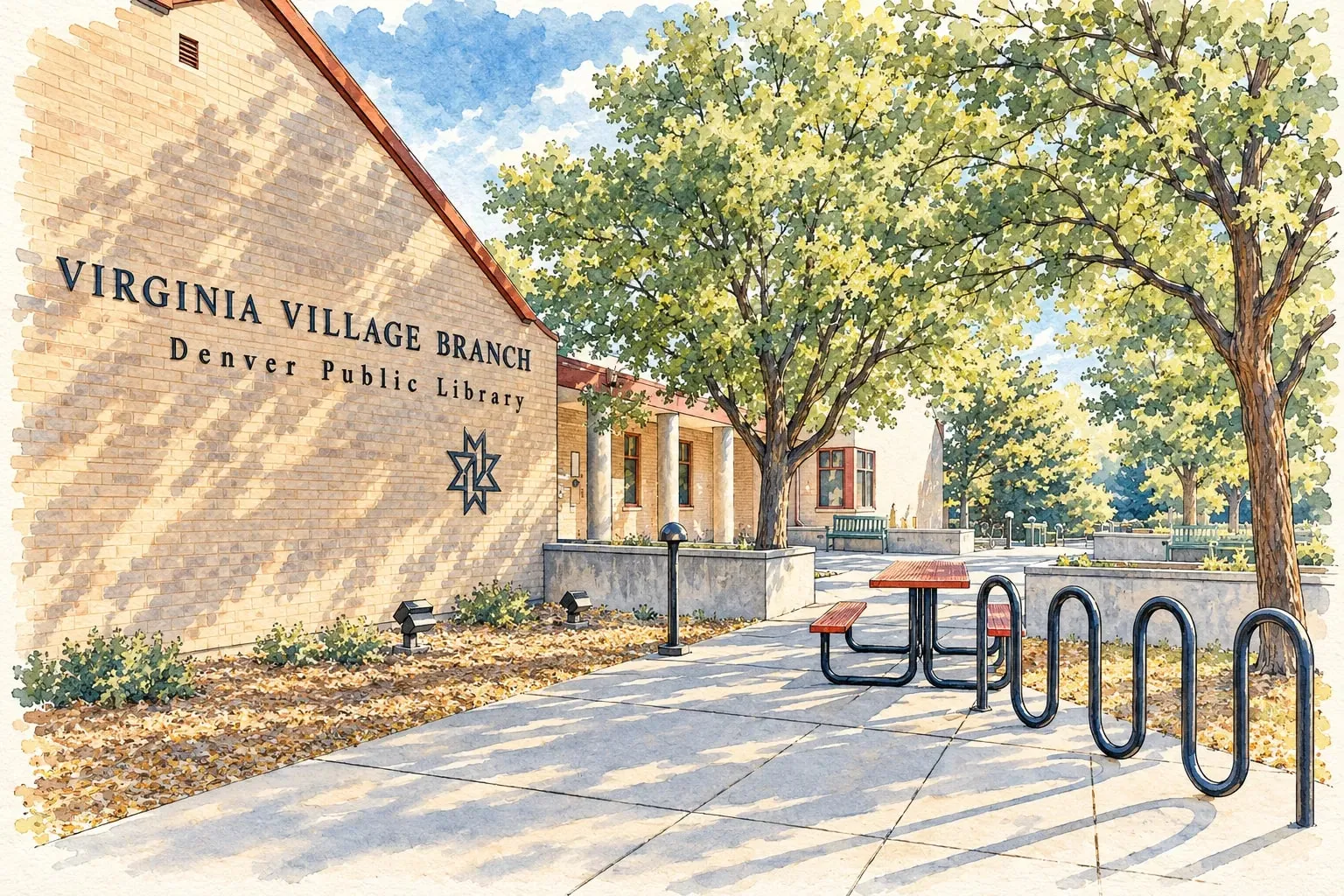 Southeast Denver Virginia Village Mid-century ranches on curving streets, Cherry Creek's trail and some of the best value in central-southeast Denver.
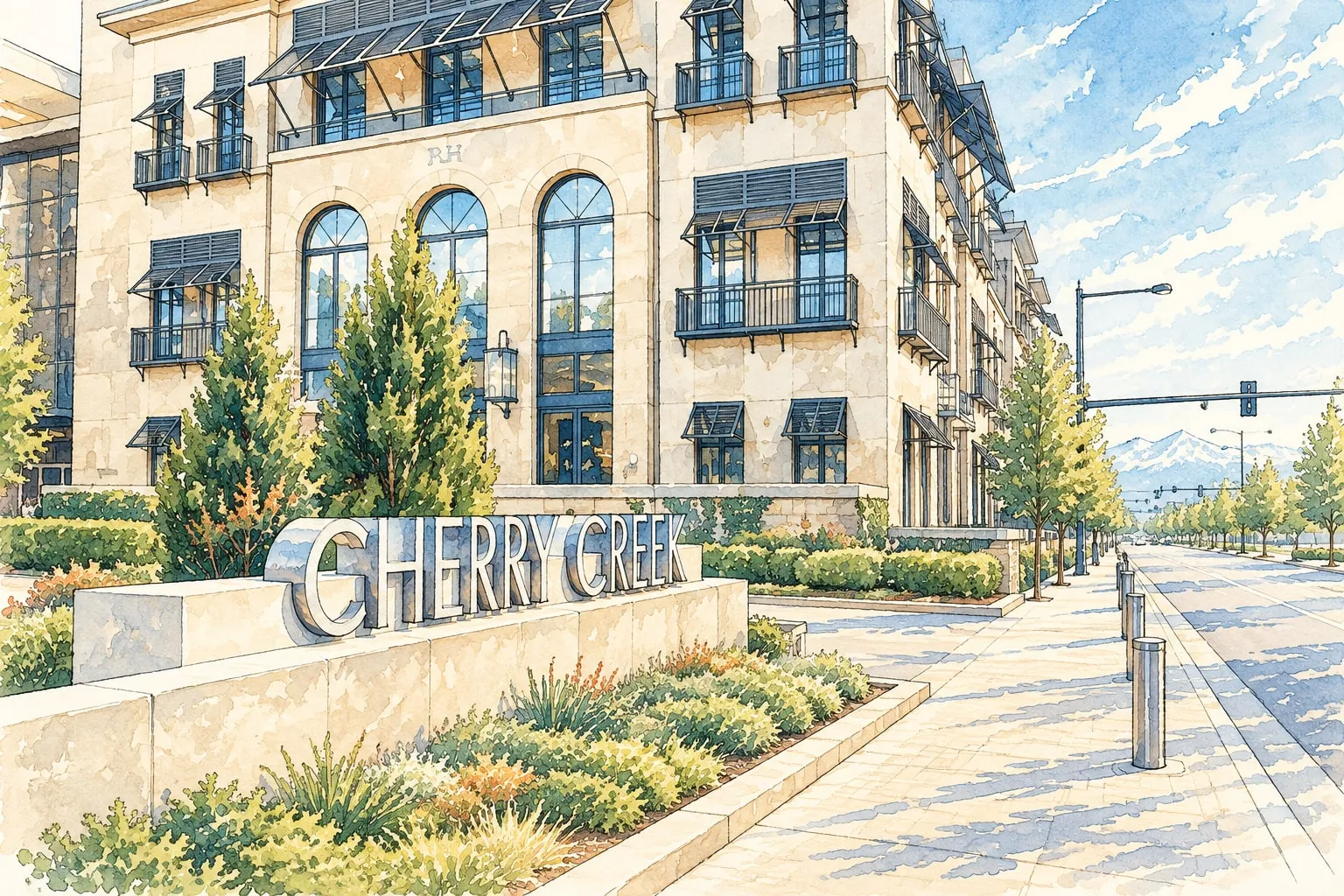 Southeast Denver Cherry Creek The shopping district, the creek trail, and the most expensive condominiums and townhomes in Denver.
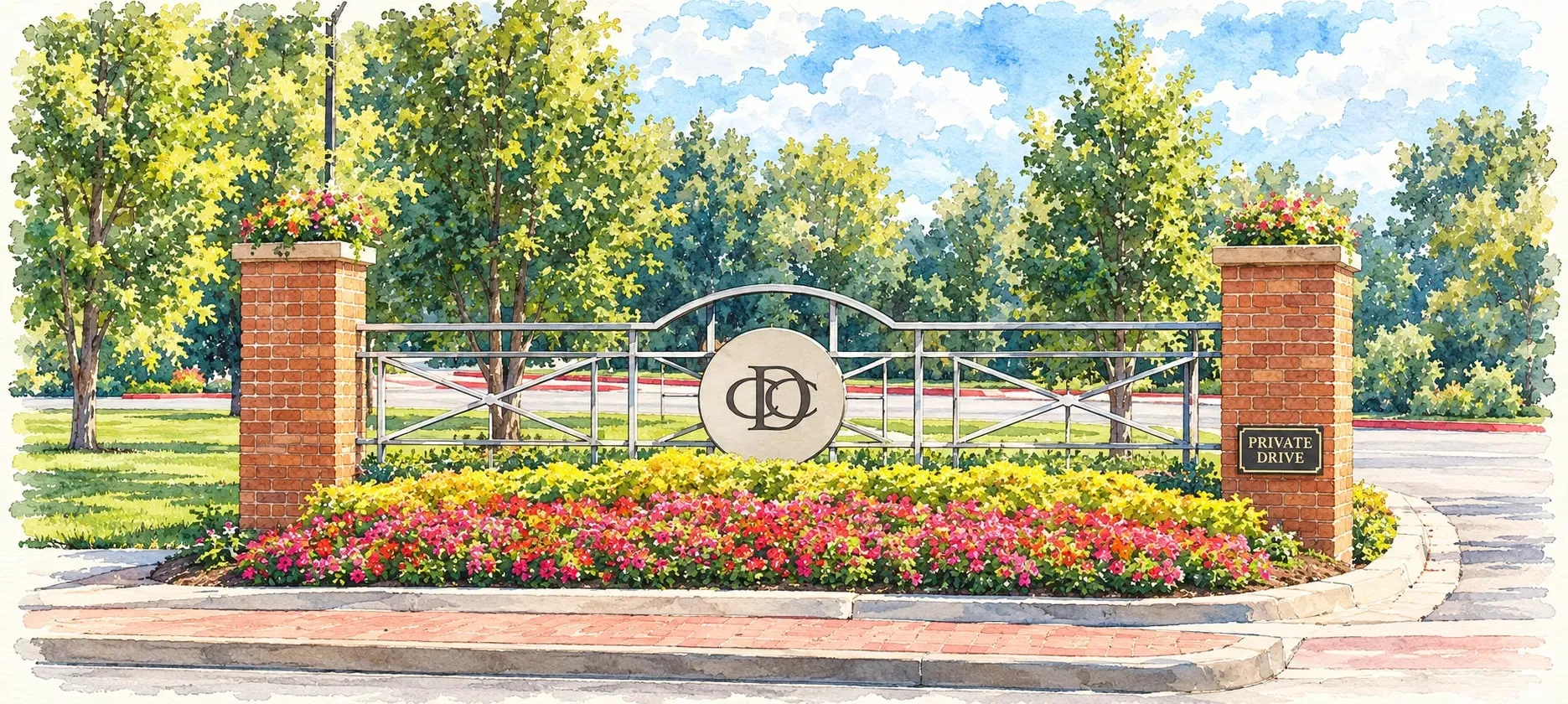 Southeast Denver Country Club and Belcaro Gated parkways, 1920s mansions and the estate lots of Belcaro and Bonnie Brae.
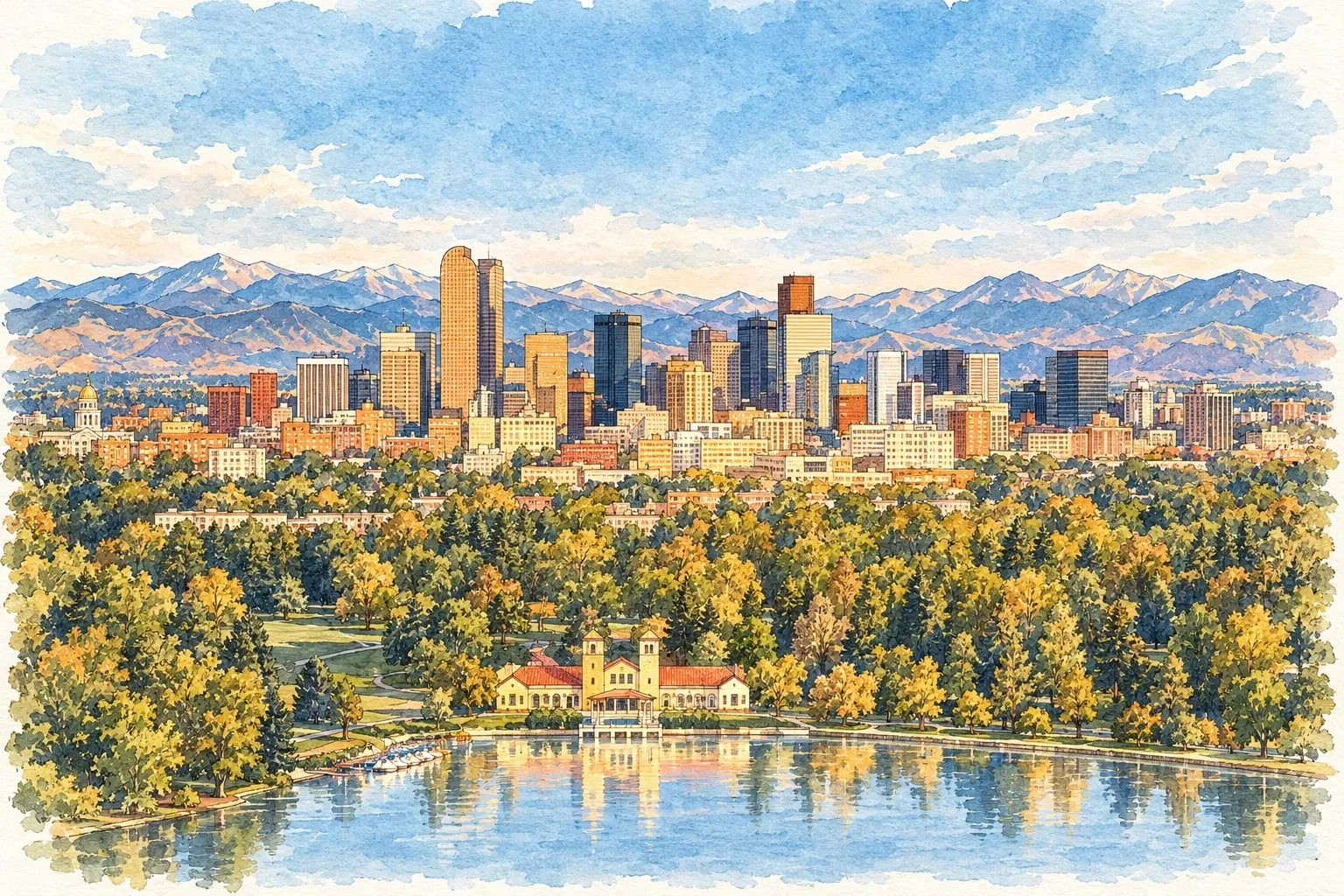 Southeast Denver Goldsmith Bible Park, the Highline Canal and 1950s and 1960s ranches between Virginia Village and the Tech Center.
Let’s talk about Cory-Merrill
Tell me what you are looking for in Cory-Merrill
Share your timing and what matters most, and I will come back with homes, comparables and an honest read on the market.
Geoffry Kaatz
Real Estate Consultant and Licensed Realtor


303-517-9671
geoffry.kaatz@compass.com
200 Columbine St, Suite 500
Denver, CO 80206