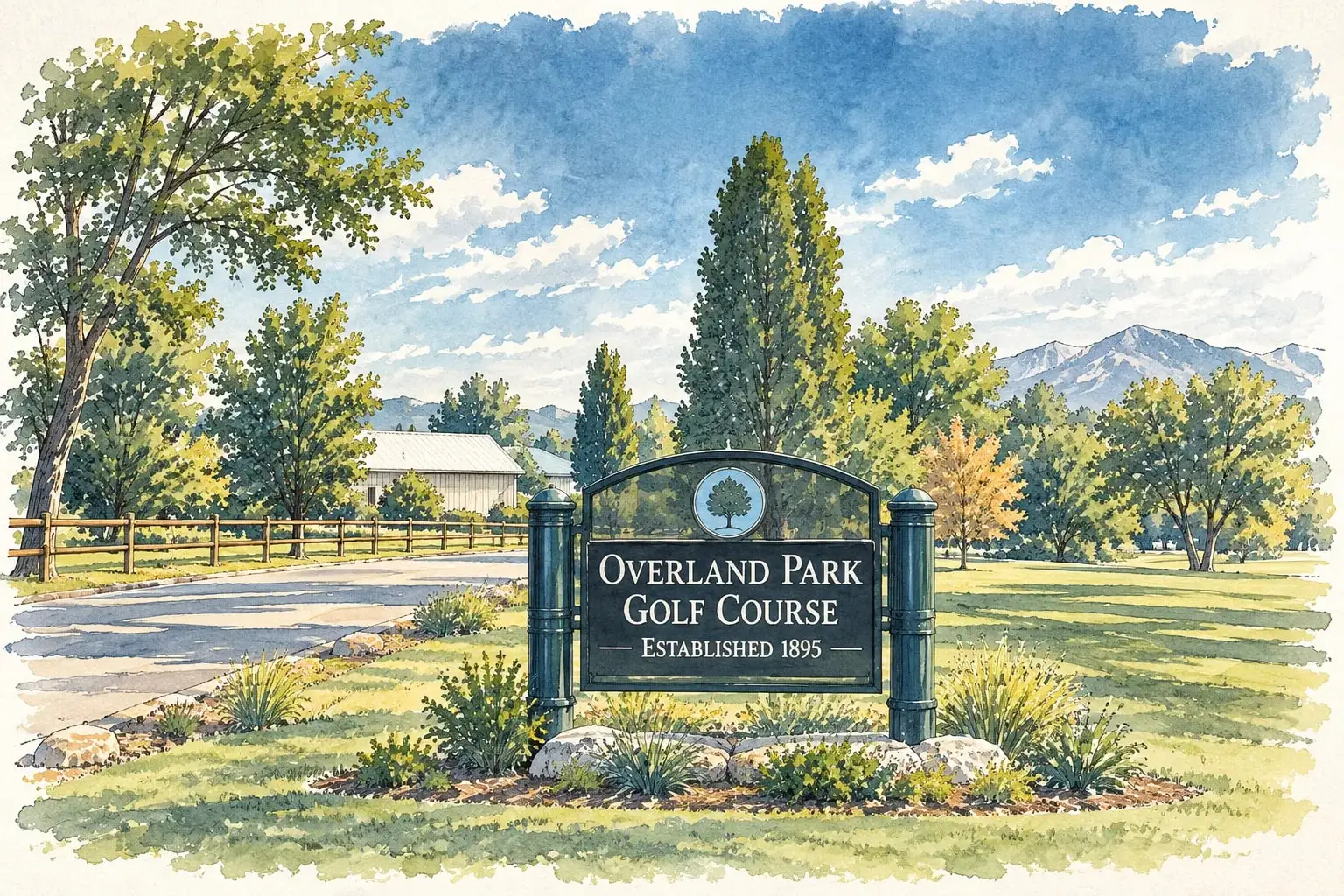
Overland
Overland Park's golf course, the river trail and workers' cottages along South Broadway's southern end.
Pricing trends
Overland prices below Platt Park and Rosedale and alongside Athmar Park across the river, with new townhomes near the station at the top and original cottages among the more attainable detached homes in south-central Denver. The Denver table below carries the citywide numbers.
| Denver, August 2026 | Median price | Homes sold | Days on market | Active listings |
|---|---|---|---|---|
| Single Family | $635,000−5.6% vs August 2025 | 483 | 38average days | 1,874 |
| Townhome / condo | $360,000−10.0% vs August 2025 | 213 | 65average days | 2,002 |
Citywide figures for Denver. Source: Local Market Update, August 2026, REcolorado data compiled by the Colorado Association of REALTORS®. Neighborhood-level figures vary; ask me for comparables on any specific home. See all area tables.
About Overland
Overland is the neighborhood between South Broadway and the South Platte south of Evans Avenue, named for Overland Park, the old racetrack and fairground that became the city's first municipal golf course. It is a mix of 1890s to 1920s workers' cottages, post-war ranches and the warehouses and shops along Santa Fe Drive and Broadway, with the river trail at its back and prices that still sit below Platt Park and Rosedale across the street.
Location
Overland runs from Evans Avenue south to Yale Avenue between Broadway and the South Platte, with Rosedale east across Broadway, Ruby Hill and Athmar Park across the river, Platt Park and Baker to the north and Englewood south across Yale. The Evans station on the D Line is at the northeast corner, and Santa Fe Drive is the driving route.
History and background
Overland Park began as a racetrack and fairground in the 1880s, where Denver held horse races, the state fair's early editions and, in 1911, one of the first airplane exhibitions in Colorado. The neighborhood around it grew with the smelters, rail yards and brickworks along the river and Santa Fe Drive, and its cottages housed their workers.
The city bought the fairground in 1919 and turned it into Overland Park Golf Course, the first municipal course in Denver, which opened in 1932. The blocks between it and Broadway filled with bungalows and then ranches through the 1950s, while Santa Fe Drive and the riverfront stayed industrial.
The D Line's Evans station opened in 2000, and South Broadway's revival spread south along the neighborhood's eastern edge in the 2010s. The industrial parcels near the station and the river have been turning into townhomes and apartments since, making Overland one of the last close-in neighborhoods still filling in.
Housing and architecture
The streets hold 1890s to 1920s frame and brick cottages and bungalows on narrow lots near Broadway and Jewell, 1940s and 1950s ranches toward Yale, and new townhomes and slot homes on the blocks nearest the station and the Broadway shops. Industrial parcels along Santa Fe and the river are being redeveloped into housing block by block.
Parks and recreation
Overland Park Golf Course, a public 18-hole course on the former fairgrounds, is the neighborhood's centerpiece, and the Platte River Trail runs its western edge past Pasquinel's Landing and Grant Frontier Park. Ruby Hill Park's bike park and Levitt Pavilion are across the river, and Harvard Gulch Park is east.
Dining, shopping and daily life
South Broadway between Evans and Yale carries breweries, restaurants, antique shops and the southern end of Antique Row, with the Evans and Broadway corner adding grocery stores and services. Old South Pearl Street is a short ride east, and Englewood's downtown is south.
Nearby
Other nearby communities
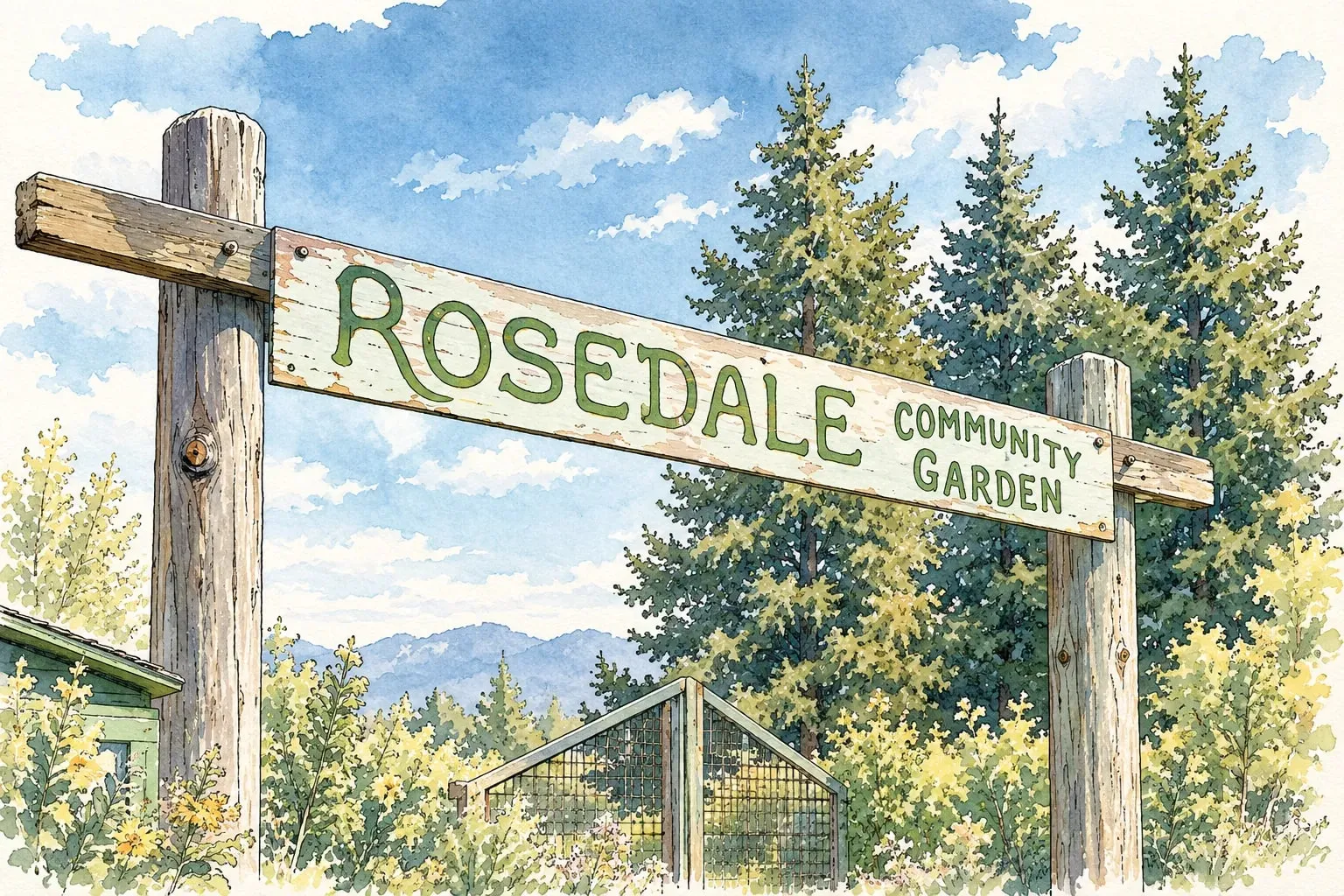 Southeast Denver Rosedale Harvard Gulch Park, the Rosedale Community Garden and bungalows just south of Platt Park.
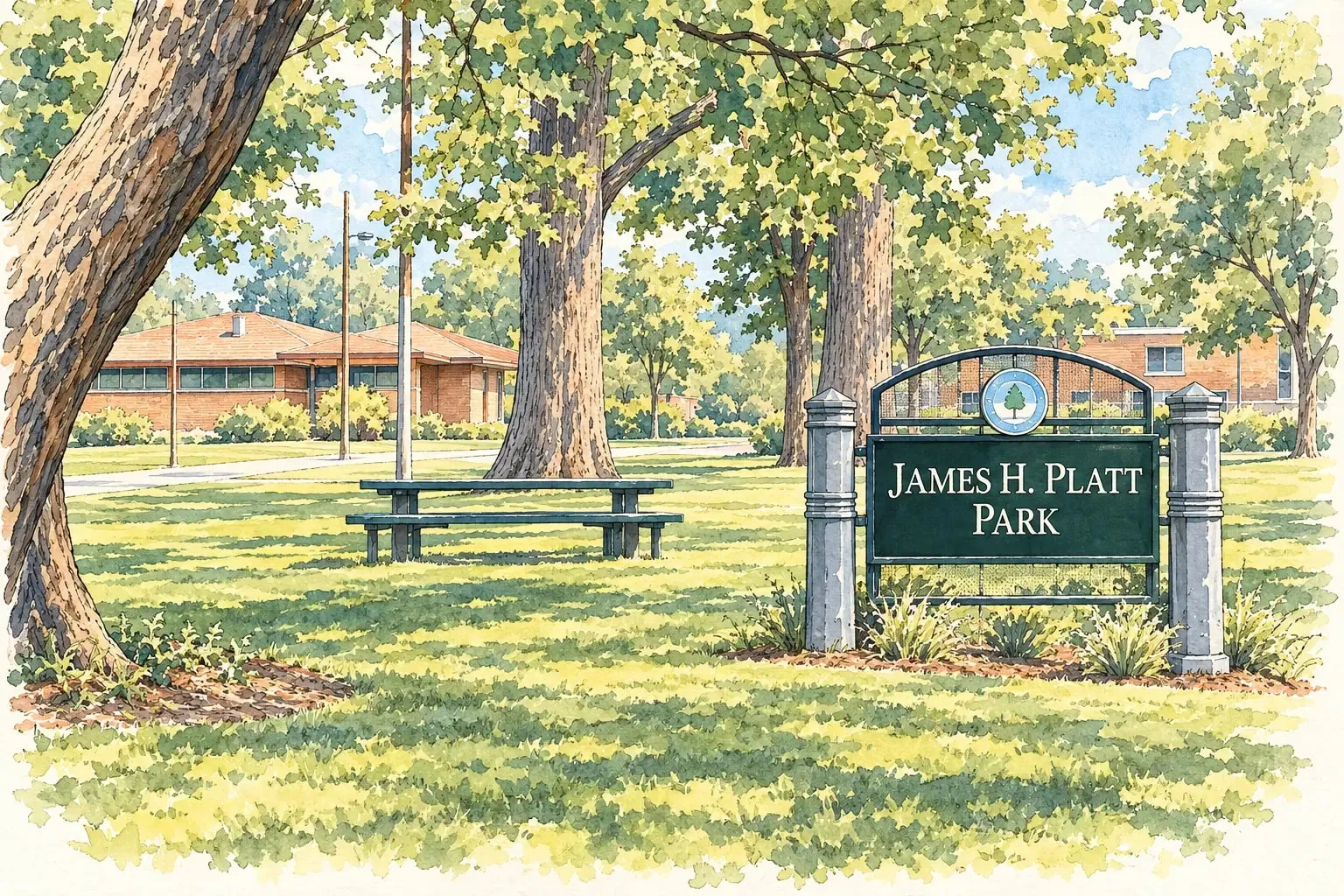 Southeast Denver Platt Park Old South Pearl Street, the farmers market and bungalow blocks south of Washington Park.
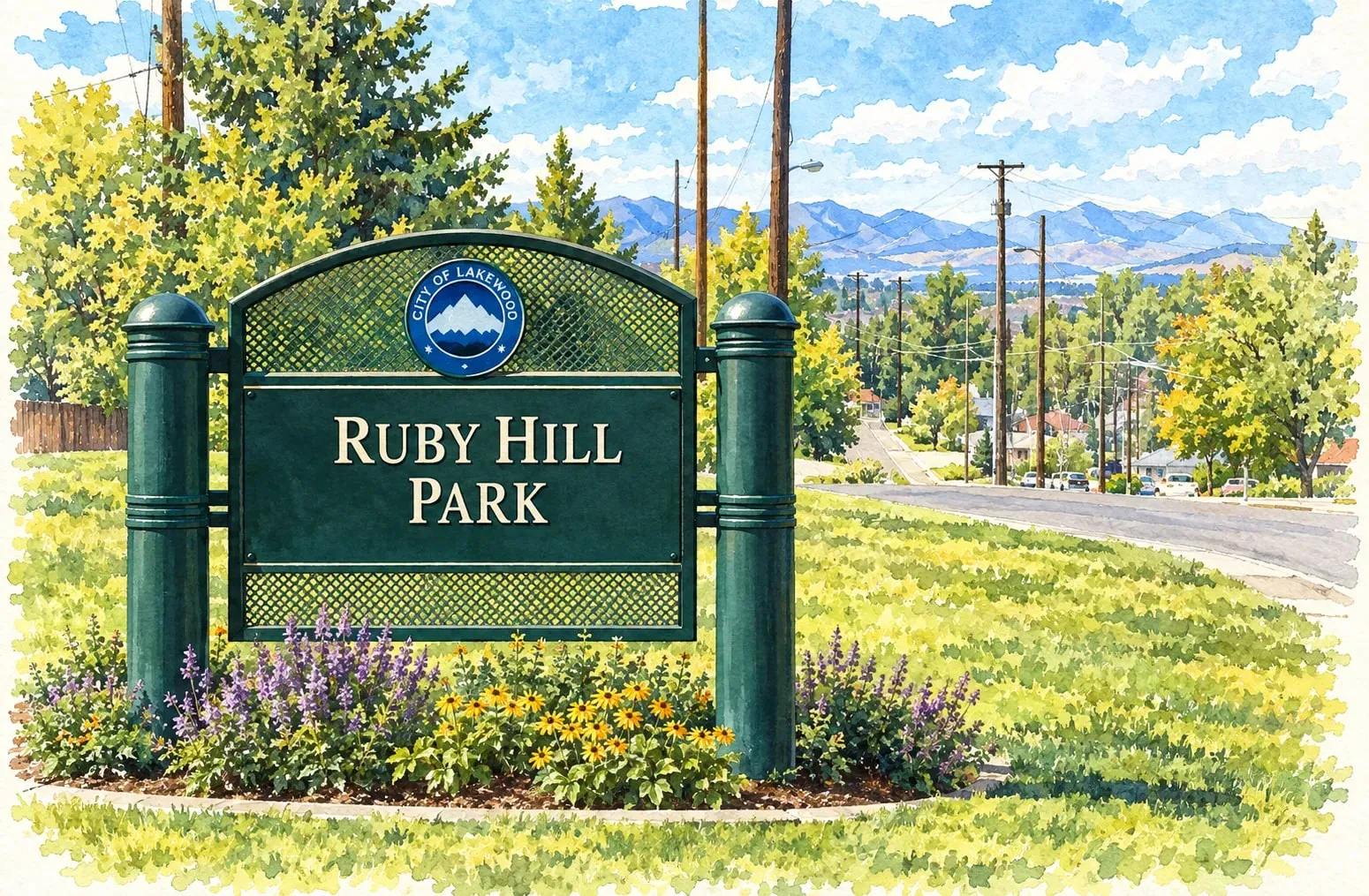 Southwest Denver Athmar Park and Ruby Hill Brick ranches along the river, the Ruby Hill sledding hill and bike park, and the Levitt Pavilion's free concerts.
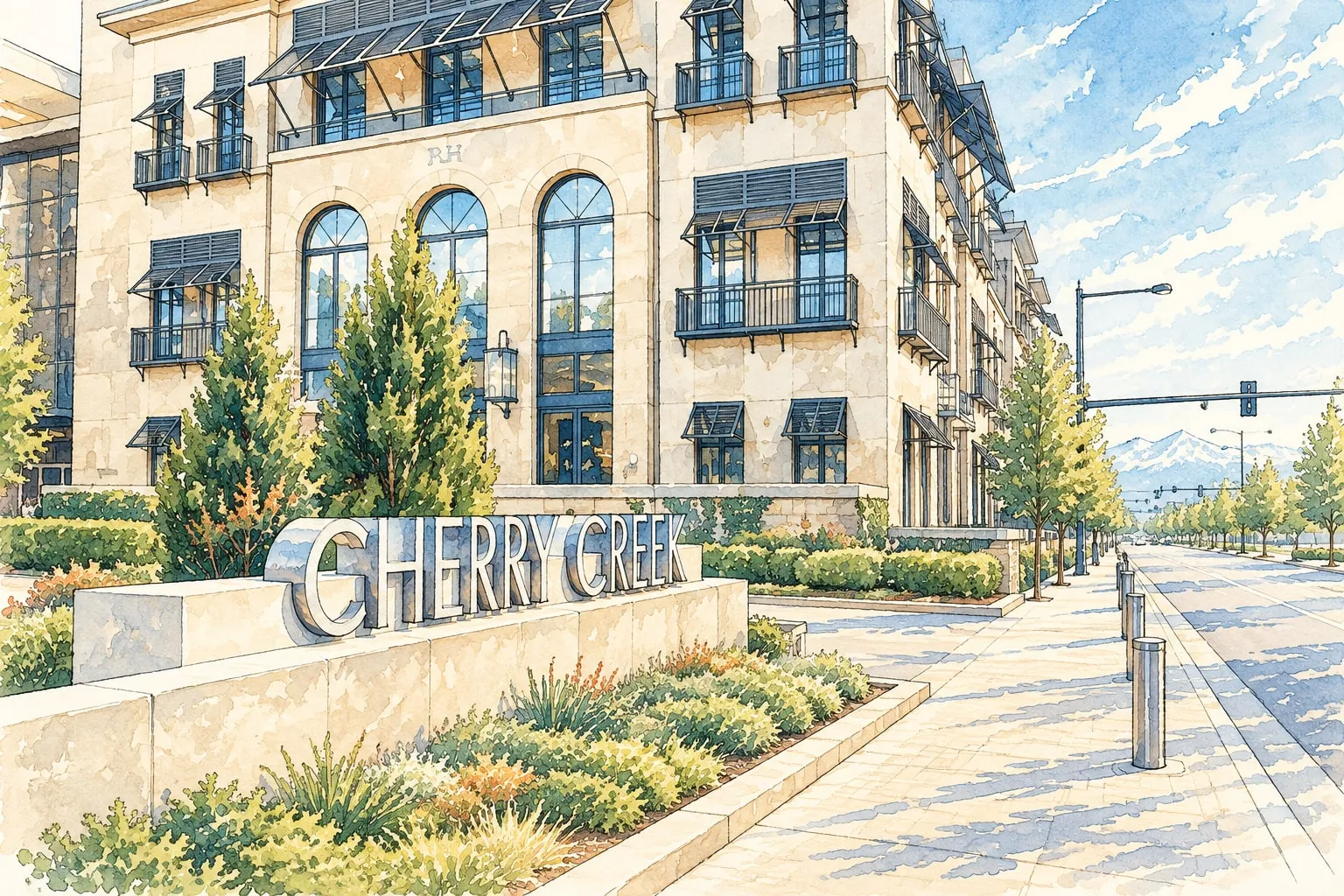 Southeast Denver Cherry Creek The shopping district, the creek trail, and the most expensive condominiums and townhomes in Denver.
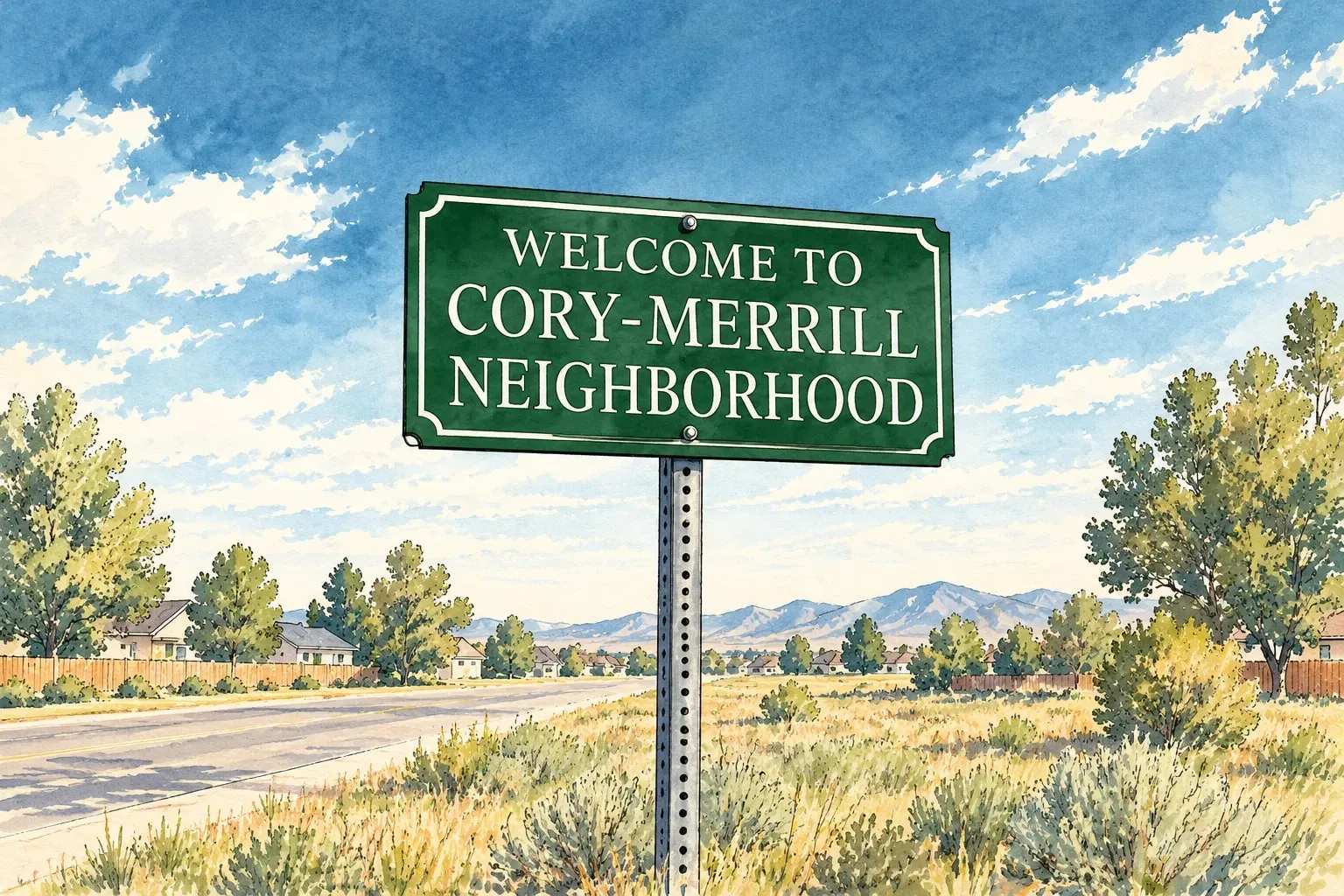 Southeast Denver Cory-Merrill A school-centered neighborhood of 1940s brick homes and new two-stories between Wash Park and Colorado Boulevard.
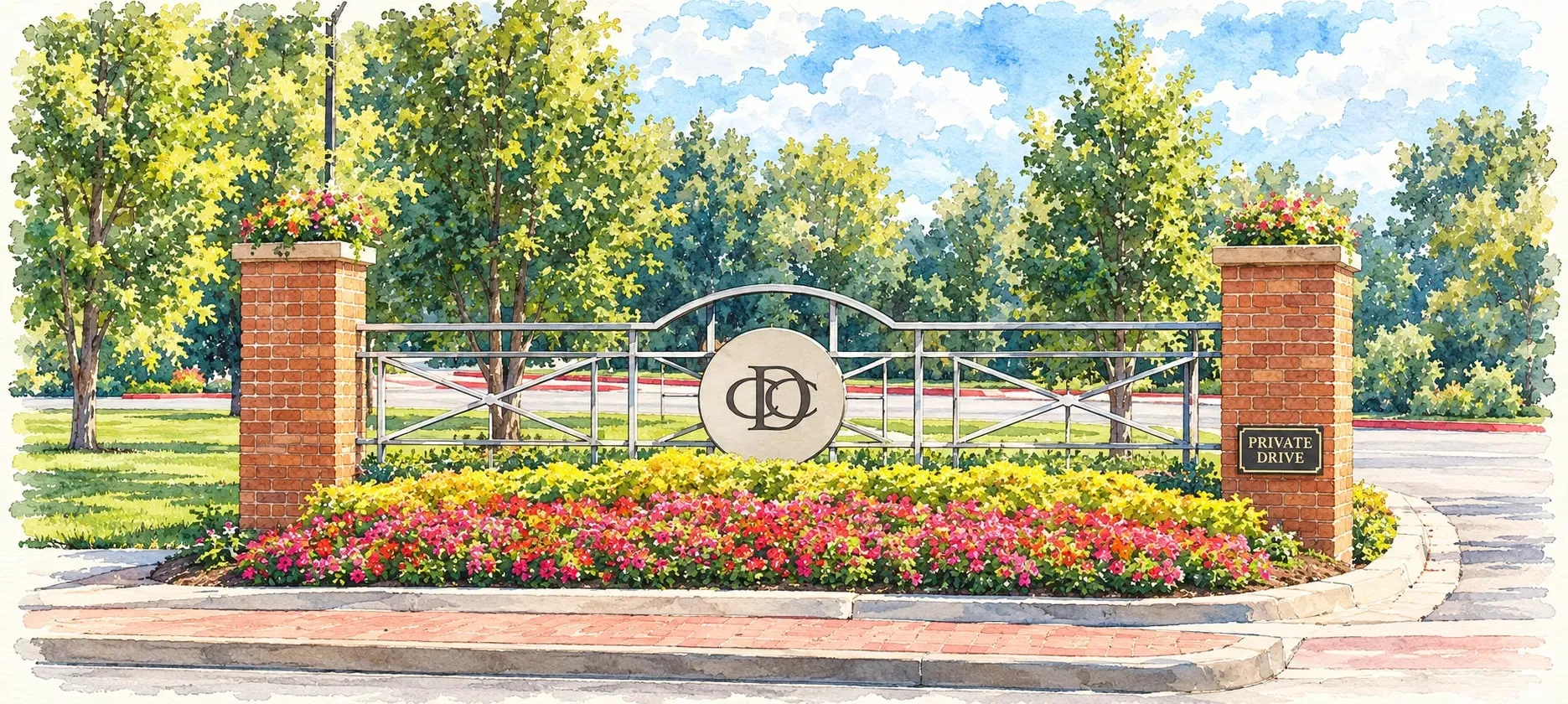 Southeast Denver Country Club and Belcaro Gated parkways, 1920s mansions and the estate lots of Belcaro and Bonnie Brae.
Let’s talk about Overland
Tell me what you are looking for in Overland
Share your timing and what matters most, and I will come back with homes, comparables and an honest read on the market.
Geoffry Kaatz
Real Estate Consultant and Licensed Realtor


303-517-9671
geoffry.kaatz@compass.com
200 Columbine St, Suite 500
Denver, CO 80206