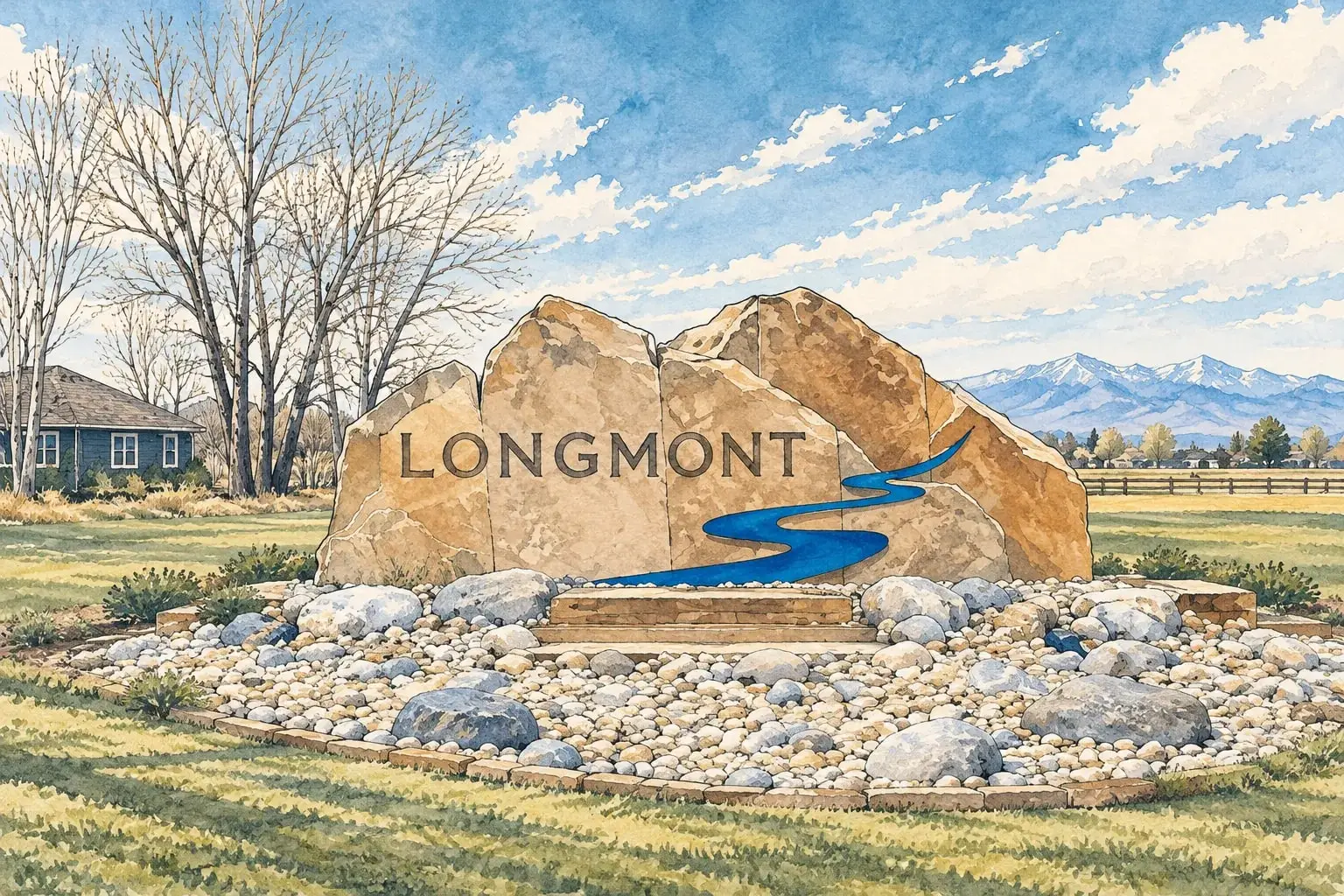
Longmont
Boulder County's largest city after Boulder, with a historic Main Street, Longs Peak on the horizon and prices Boulder left behind.
Pricing trends
Longmont prices well below Boulder and below Louisville and Lafayette for similar homes, with the historic districts and the newest east-side construction at the top and 1960s and 1970s ranches offering the entry points. Longmont does not have its own table in the Market Intelligence data; the Boulder County corridor towns are the nearest reference.
This community is not covered by the monthly Local Market Update tables on file. See the metro and area tables, or ask me for current comparables.
About Longmont
Longmont is the city of about 100,000 on the St. Vrain River northeast of Boulder, founded in 1871 by a Chicago colony and named for the peak that fills its western sky. It has a downtown of brick storefronts along Main Street, a tech and brewing economy of its own, and neighborhoods from 1900s houses near downtown to the newer subdivisions on its east and south sides. For buyers priced out of Boulder, it is the county's full-service alternative.
Location
Longmont sits along Highway 119 and US 287 fifteen miles northeast of Boulder and about thirty-five miles north of downtown Denver, with Erie and Lafayette to the south, Niwot and Boulder to the southwest, Lyons and the foothills to the west and Firestone and the Weld County towns to the east. Highway 119 to Boulder and I-25 via Highway 119 or 66 are the commutes.
History and background
Longmont was founded in 1871 by the Chicago-Colorado Colony, a group of Illinois settlers who bought land on the St. Vrain River and laid out a town they named for Longs Peak, the 14,000-foot mountain that fills the western horizon. Irrigation ditches turned the valley into farmland, and the town grew as a center for sugar beets, flour mills and the canning of local vegetables.
The Great Western Sugar factory, opened in 1903, was the city's largest employer for most of the twentieth century, and Main Street filled with the brick commercial buildings that still line it. Longmont stayed an agricultural city until the 1960s, when IBM opened a plant between Longmont and Boulder and brought the first wave of technology jobs.
Since then the city has grown to about 100,000 people, adding neighborhoods on every side, a revived downtown of restaurants and breweries, a municipal fiber network and a tech and food-manufacturing economy. The St. Vrain flood of September 2013 damaged hundreds of homes along the river, and the rebuilt greenway through the city is one of its newest assets.
Housing and architecture
The Old Town and East Side historic districts near Main Street hold 1880s to 1920s Victorian and bungalow homes, with 1950s to 1970s ranches and split-levels through the central neighborhoods. The 1980s to 2000s built the southwest sections near Twin Peaks and the east side's Ute Creek and Fox Hill areas, and Prospect New Town, Harvest Junction and the newest filings along Highway 119 and Ken Pratt Boulevard add townhomes, condominiums and current construction. Prices vary widely between the historic core and the east side.
Parks and recreation
Union Reservoir's swimming and paddling, McIntosh Lake's loop trail, the St. Vrain Greenway, Sandstone Ranch, the Longmont Recreation Center, Centennial Pool, Twin Peaks and Ute Creek golf courses and Button Rock Preserve in the foothills serve the city, with Rocky Mountain National Park an hour west.
Dining, shopping and daily life
Main Street holds restaurants, breweries, the Dickens Opera House, the Longmont Museum nearby and a summer concert series, with the Village at the Peaks and the Ken Pratt and Hover corridors carrying the grocery stores and chain retail. Longs Peak Hospital and UCHealth's Longmont campus serve the city, and the St. Vrain Valley schools, including the Innovation Center, are a draw for families.
Nearby
Other nearby communities
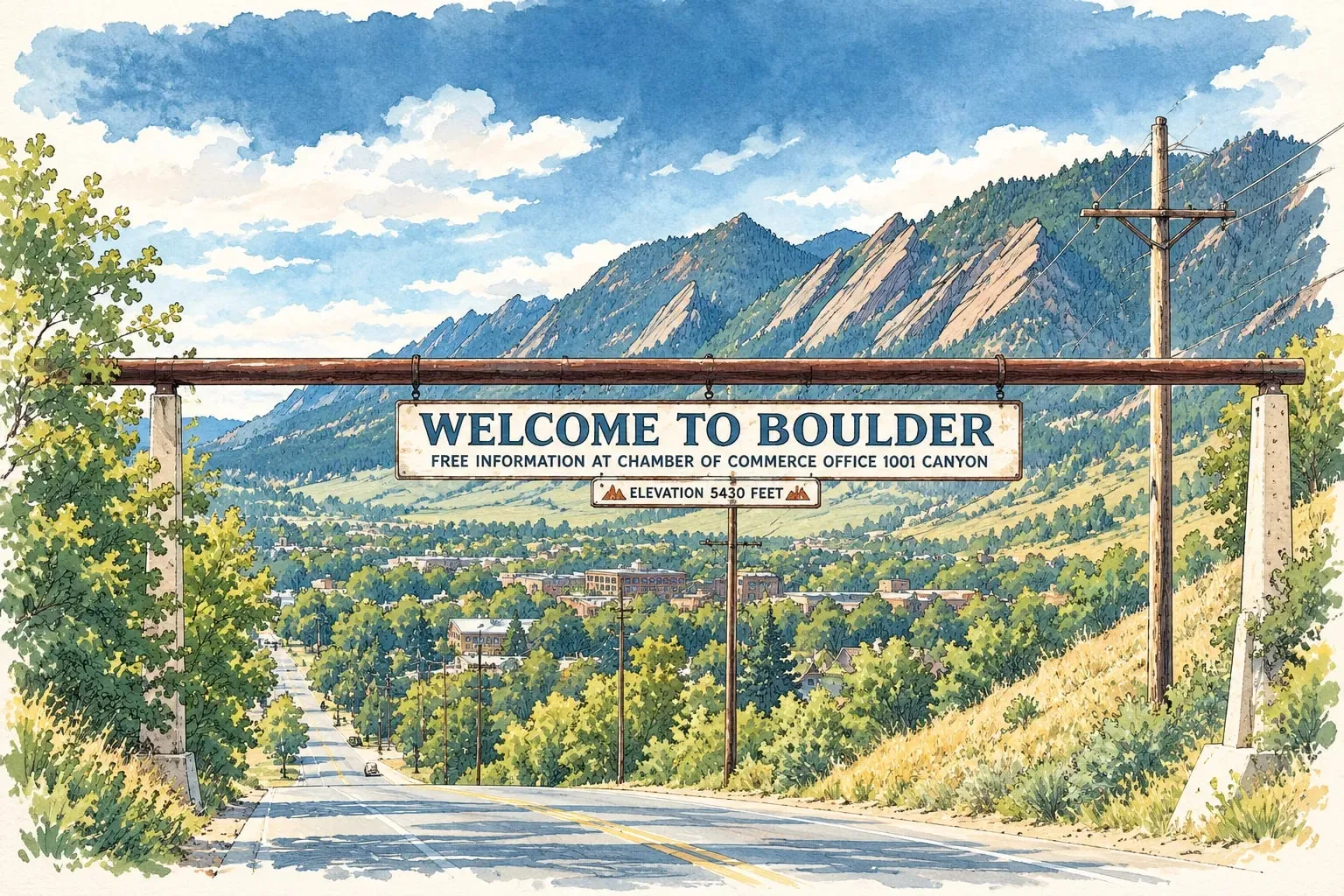 Northwest Corridor Boulder The Flatirons, the university, Pearl Street and the most expensive housing market on the Front Range.
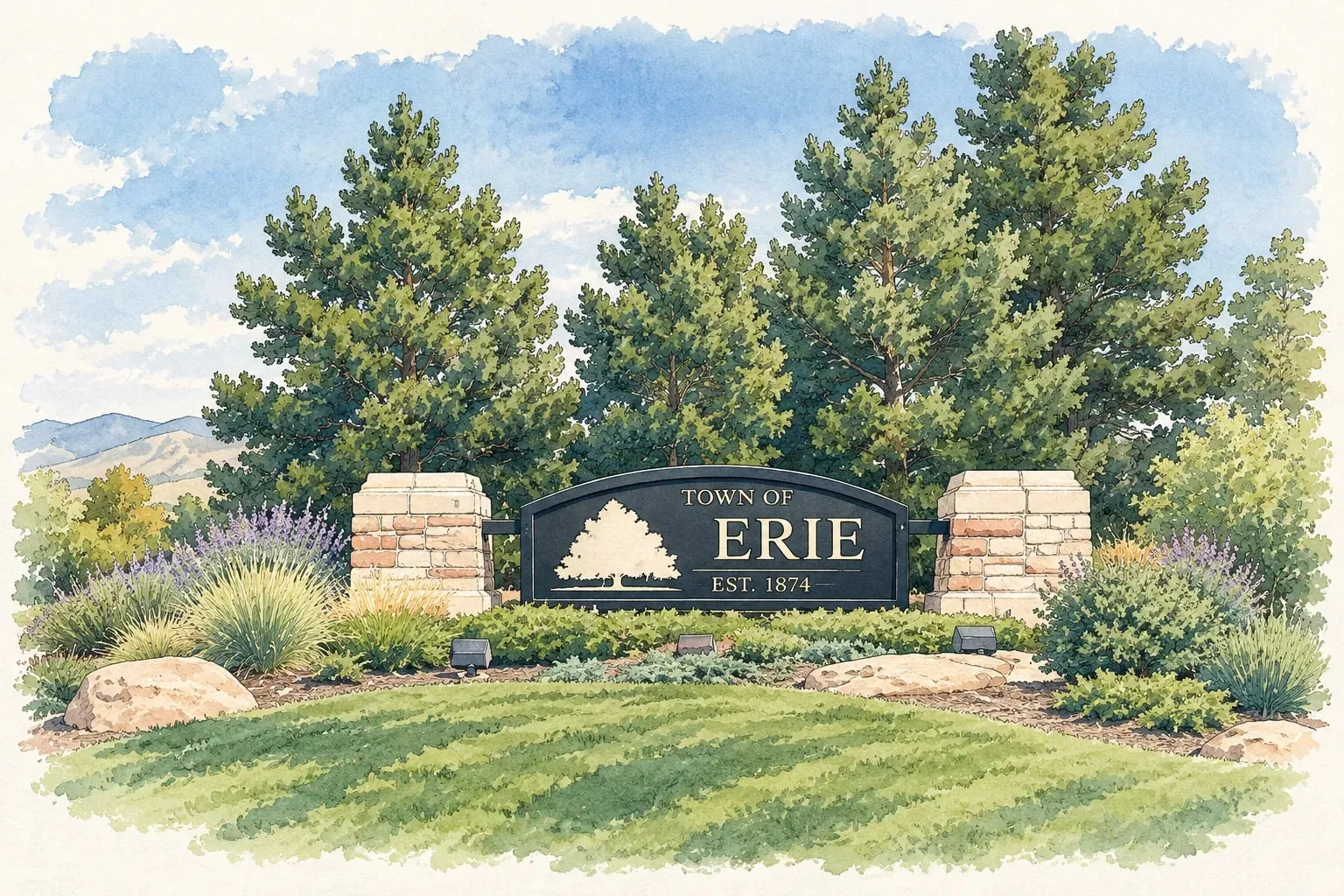 Northwest Corridor Erie A former coal town between Lafayette and I-25 that became one of the fastest-growing suburbs on the Front Range.
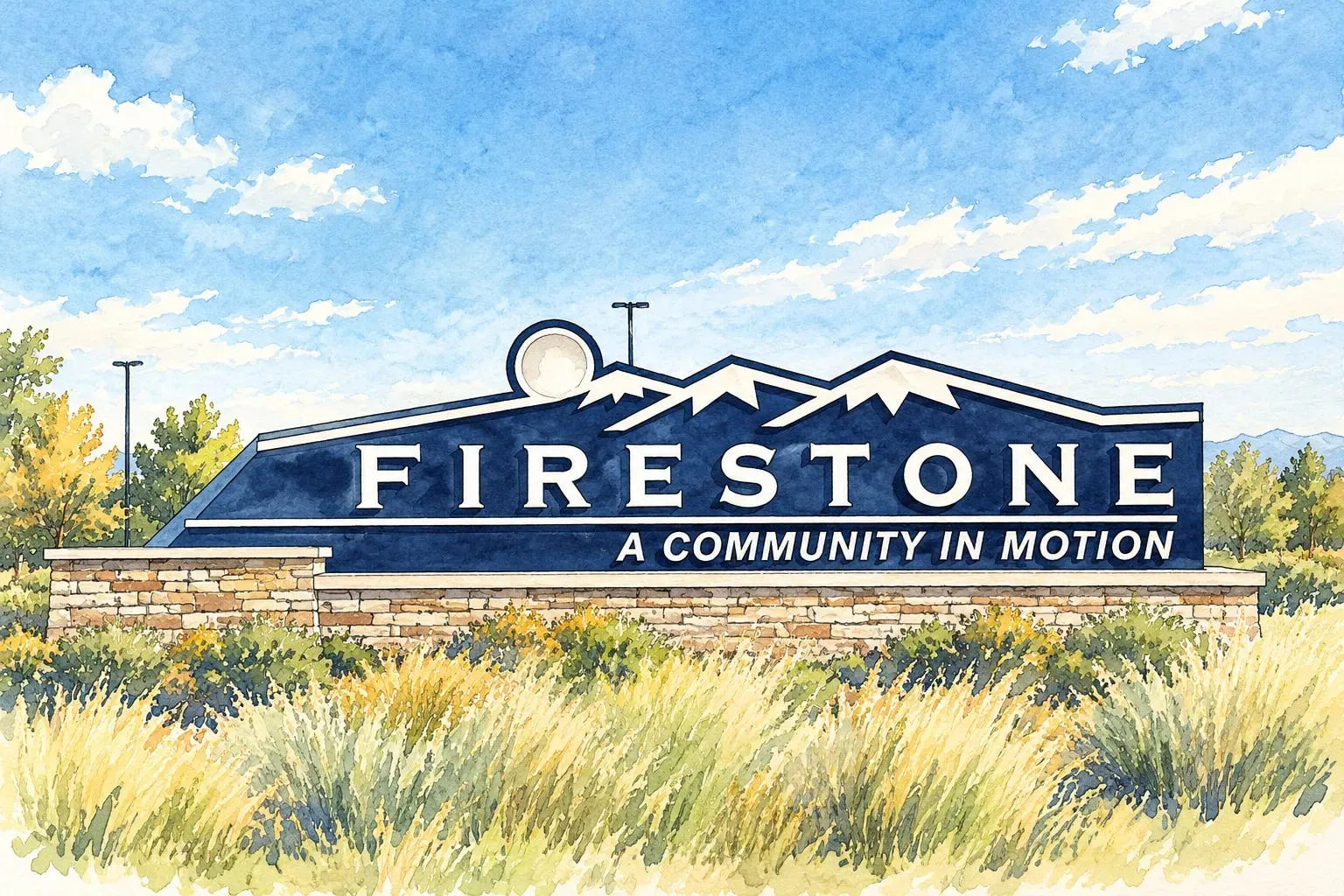 North Metro Firestone and Barefoot Lakes A former coal town turned lake community, between I-25 and the St. Vrain, with Longmont and Boulder close by.
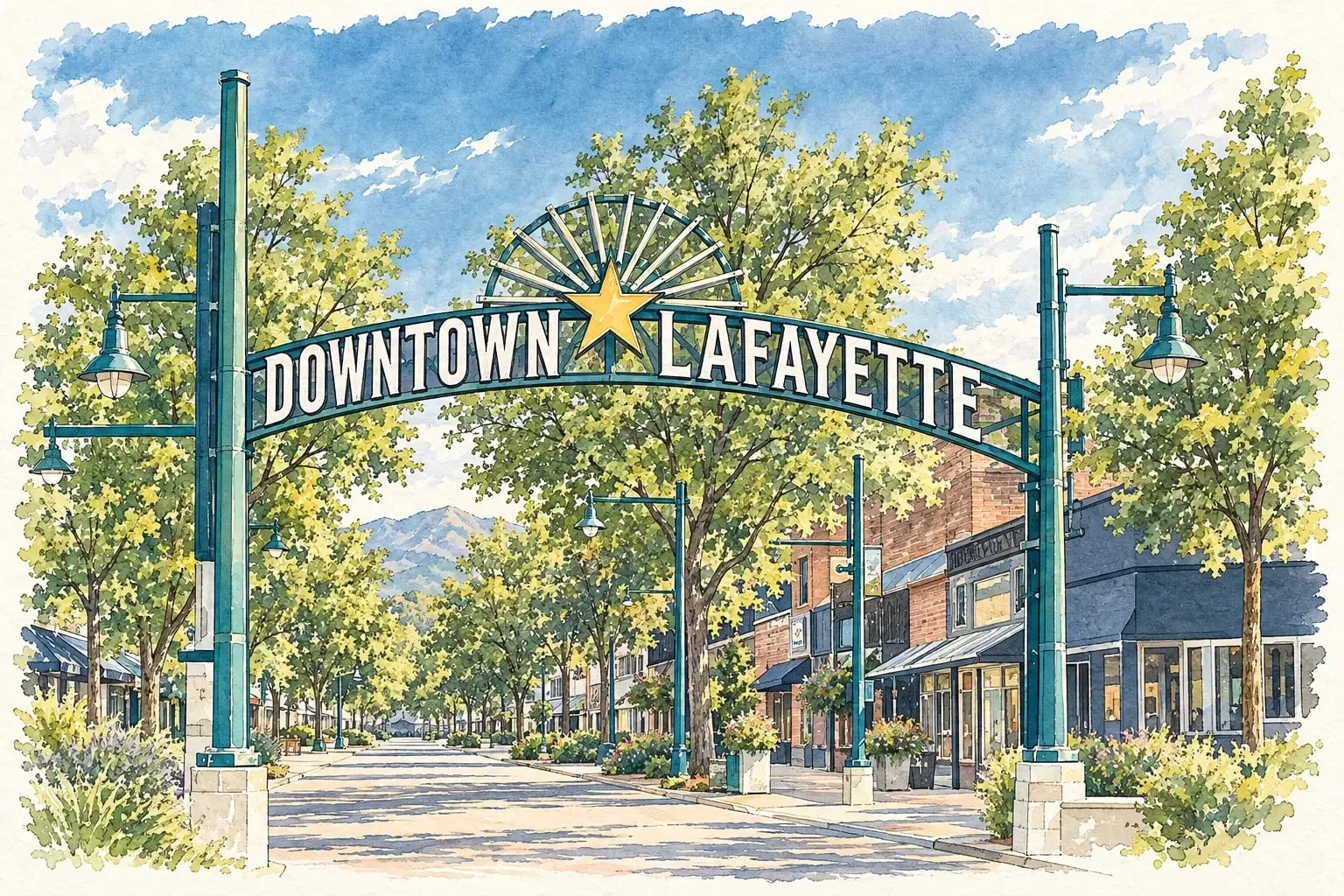 Northwest Corridor Lafayette Old Town's Public Road, Waneka Lake, and the most approachable prices in the Boulder County corridor.
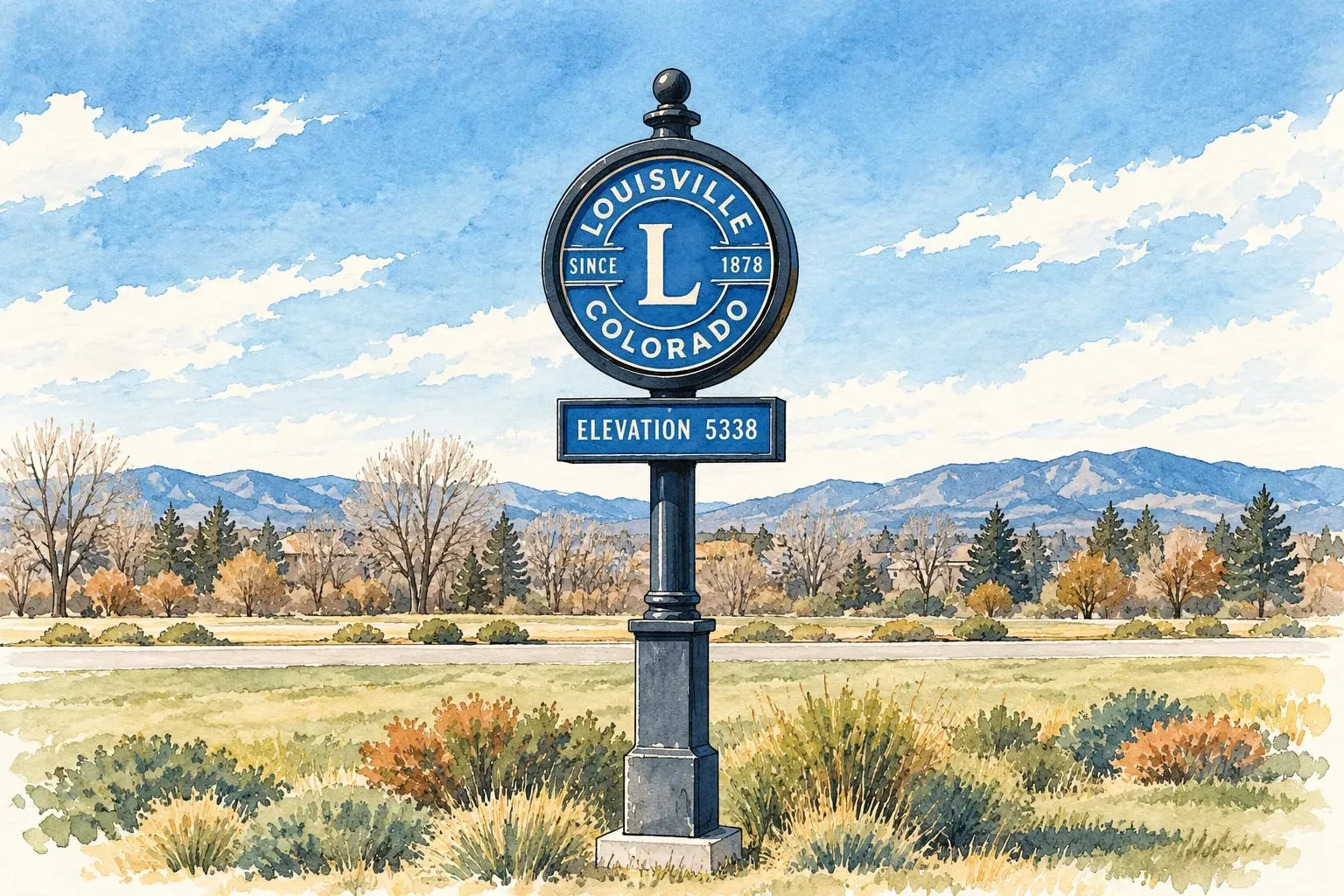 Northwest Corridor Louisville A coal-mining town turned one of the country's most-praised small cities, with a Main Street built for summer evenings.
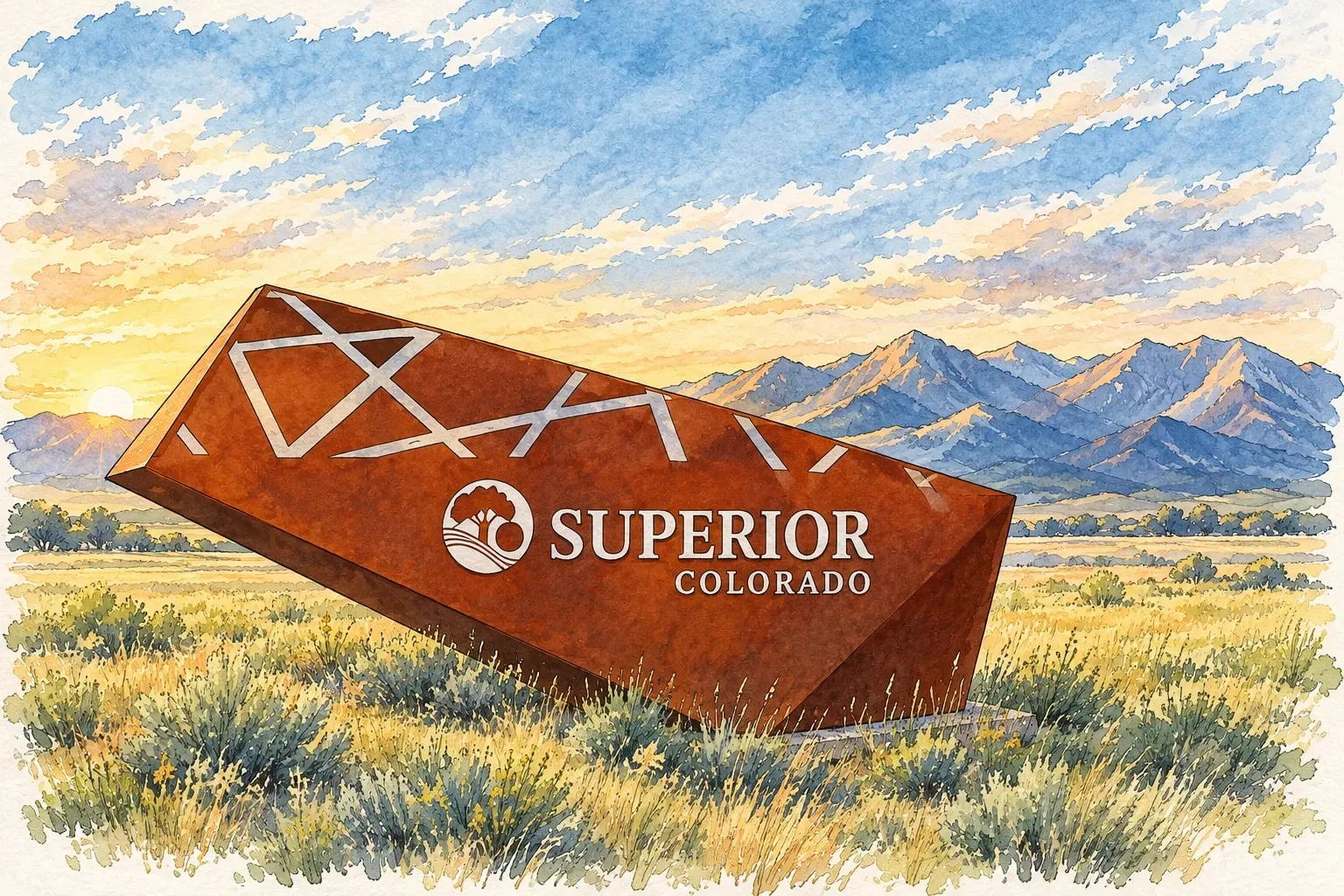 Northwest Corridor Superior Rock Creek's family neighborhoods against the Flatirons, rebuilt and renewed after the Marshall Fire.
Let’s talk about Longmont
Tell me what you are looking for in Longmont
Share your timing and what matters most, and I will come back with homes, comparables and an honest read on the market.
Geoffry Kaatz
Real Estate Consultant and Licensed Realtor


303-517-9671
geoffry.kaatz@compass.com
200 Columbine St, Suite 500
Denver, CO 80206